CIR’s EXPERT WEBINAR SERIES PRESENTS
Patterns of Dispersal and Short-term Survivorship in Post-metamorphic California Red-legged Frogs (Rana draytonii)
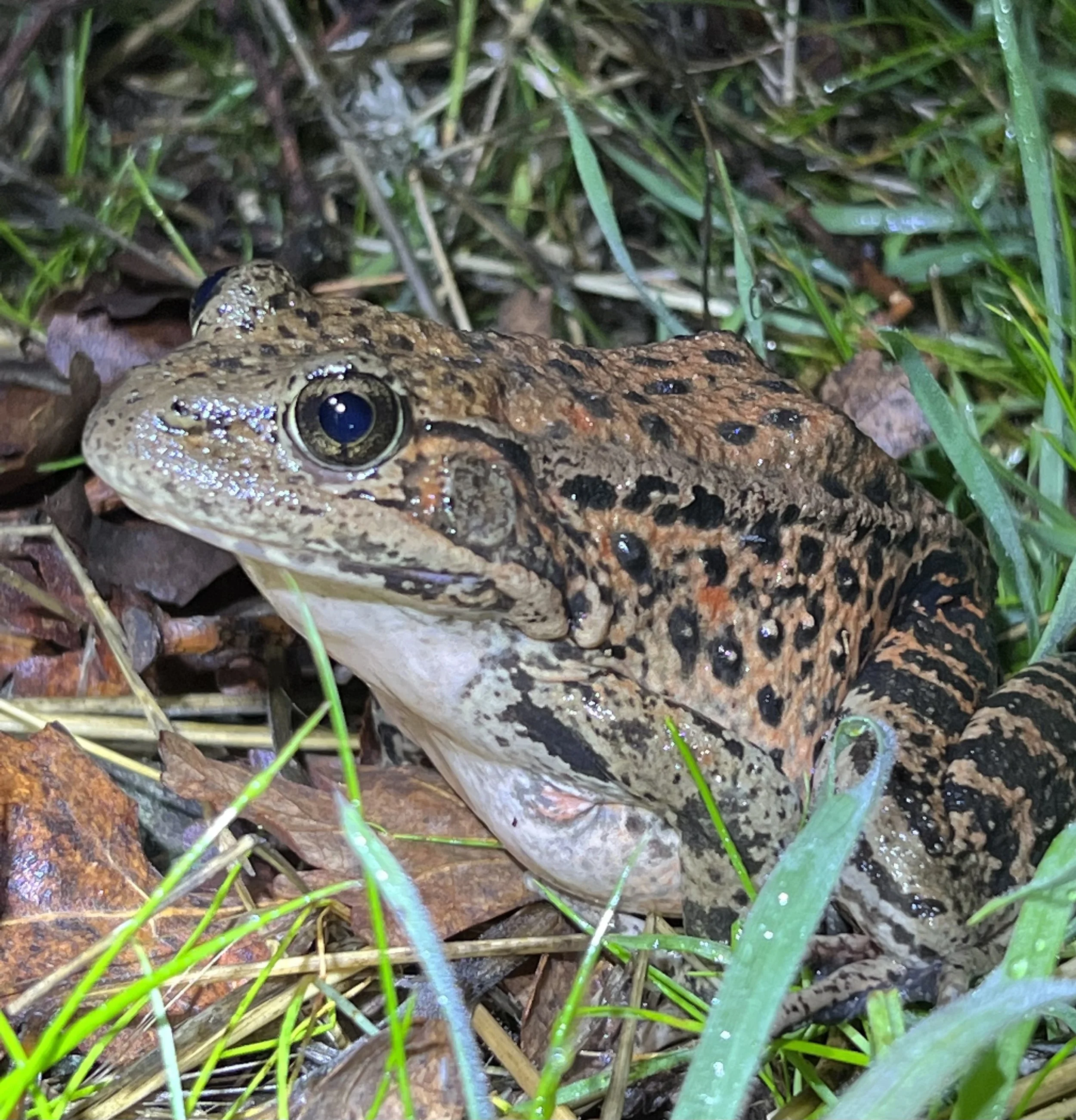
With Hale Garcia-Dean, Sonoma County Water Agency, Education Department
Thursday, November 19, 2026, from 5:30 pm to 6:30 pm
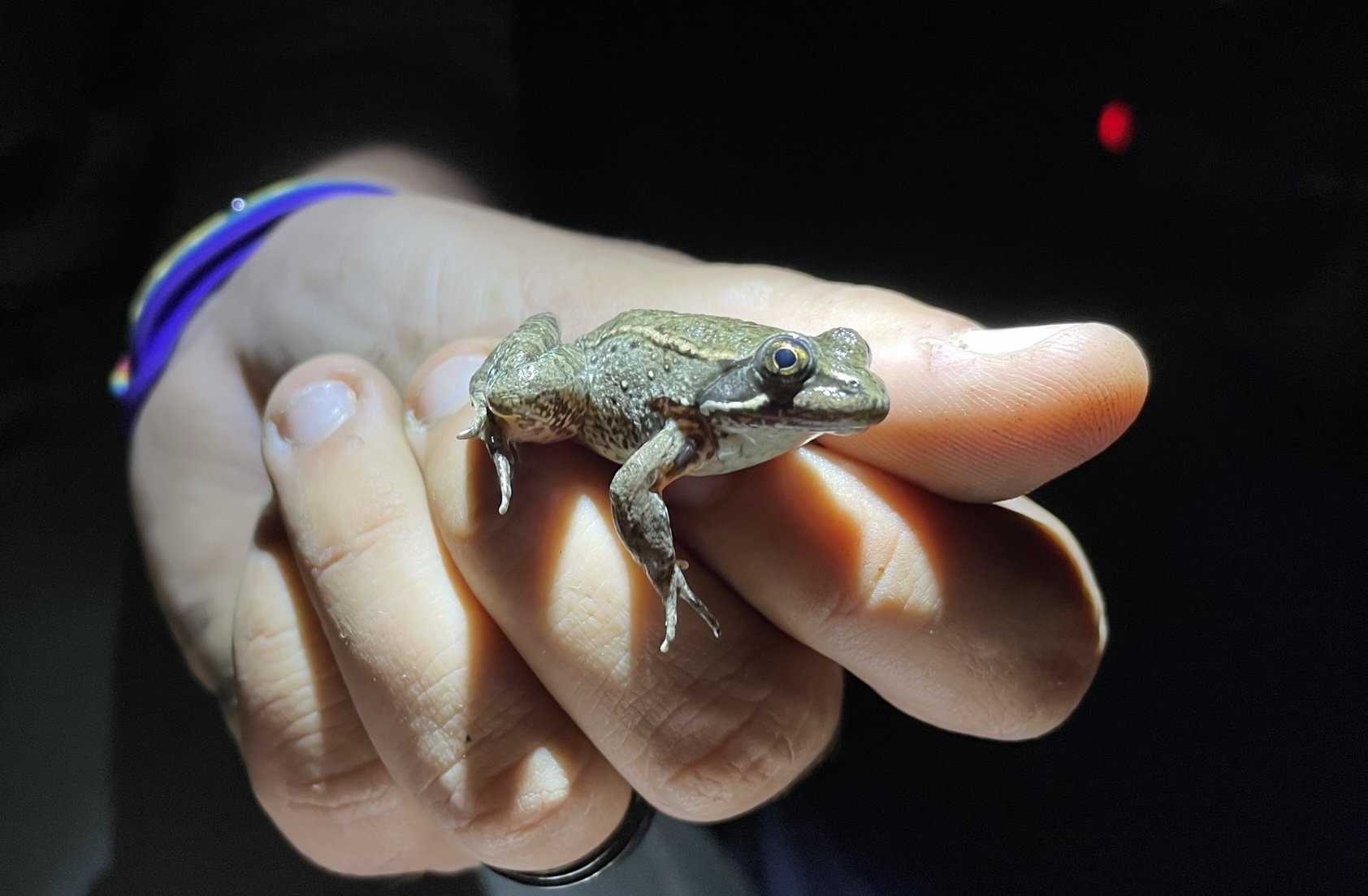
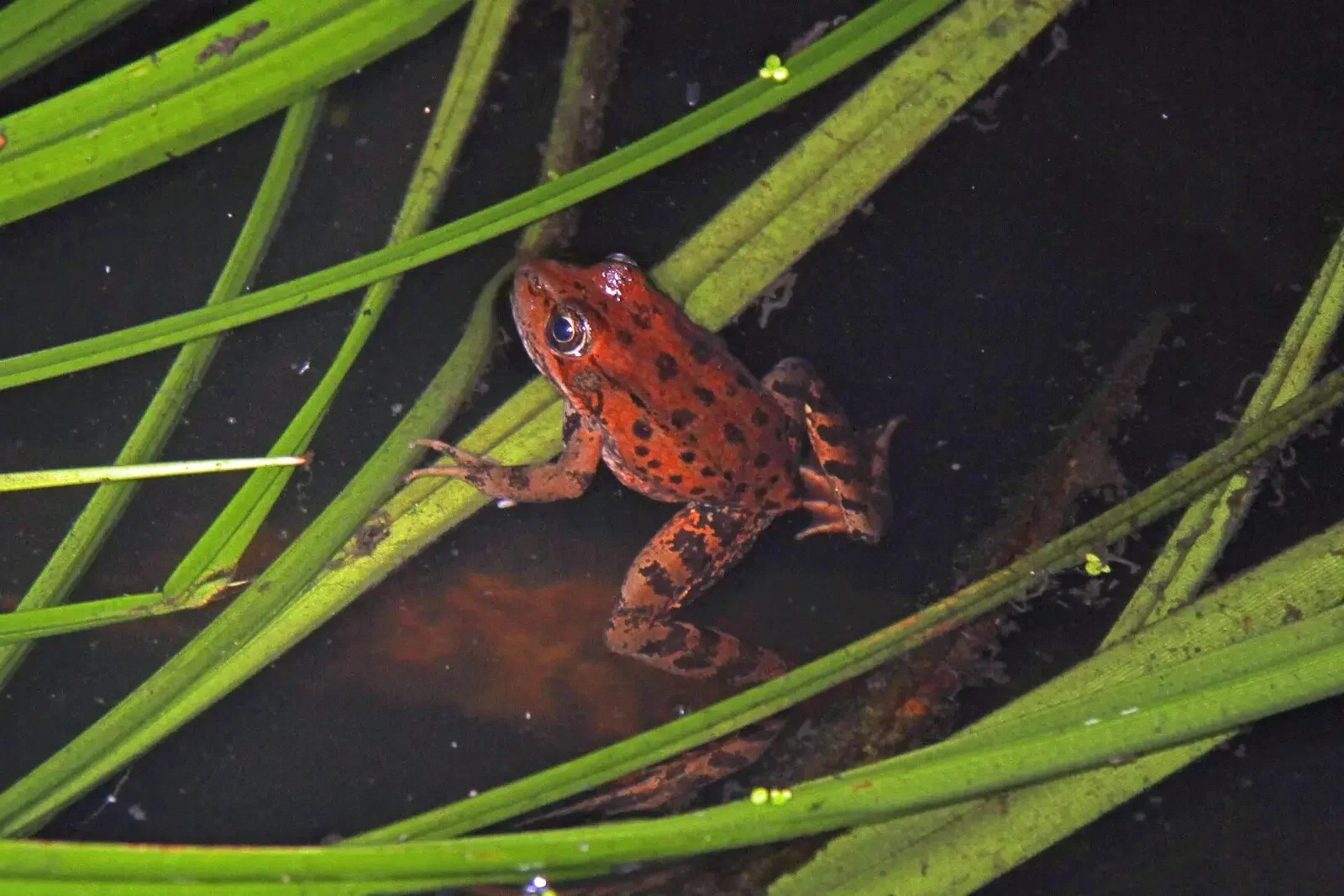
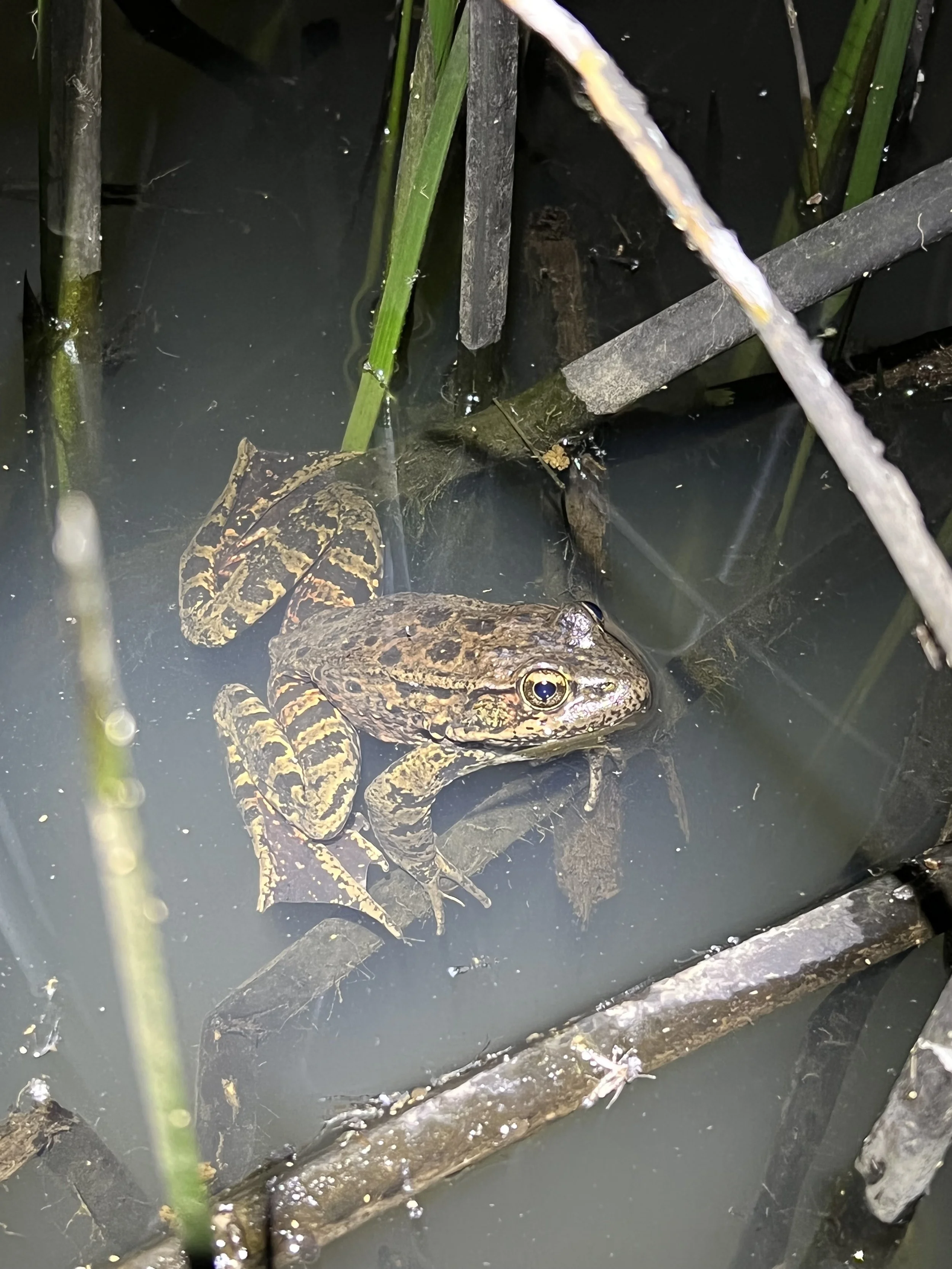
What happens after a tadpole becomes a frog? For the federally threatened California red-legged frog, the first weeks on land are some of the most dangerous and least understood in its life. In this webinar, Hale Garcia-Dean shares findings from their master's thesis research following newly metamorphosed frogs as they took their first steps out of the water.
The study took place on a privately managed preserve in Sonoma County, home to an established red-legged frog population in oak savanna habitat. Over two field seasons, two groups of juvenile frogs were fitted with tiny radio transmitters and tracked as they made a critical choice: stay at the pond where they hatched, or set out for another body of water within the population's range.
You'll learn:
Why some young frogs stay home while others disperse, and what that means for how the population is spread across the landscape
How dispersing frogs find their way, and how well they orient toward new water
How rain and other weather events trigger movement
Which micro-habitats frogs rely on along the way
What influences whether juveniles survive the journey
These insights help land managers and restoration practitioners protect not just breeding ponds, but the landscapes that connect them. Whether you support conservation, volunteer in the field, or simply love California's wildlife, you'll come away with a closer look at how one of the state's most iconic amphibians persists.
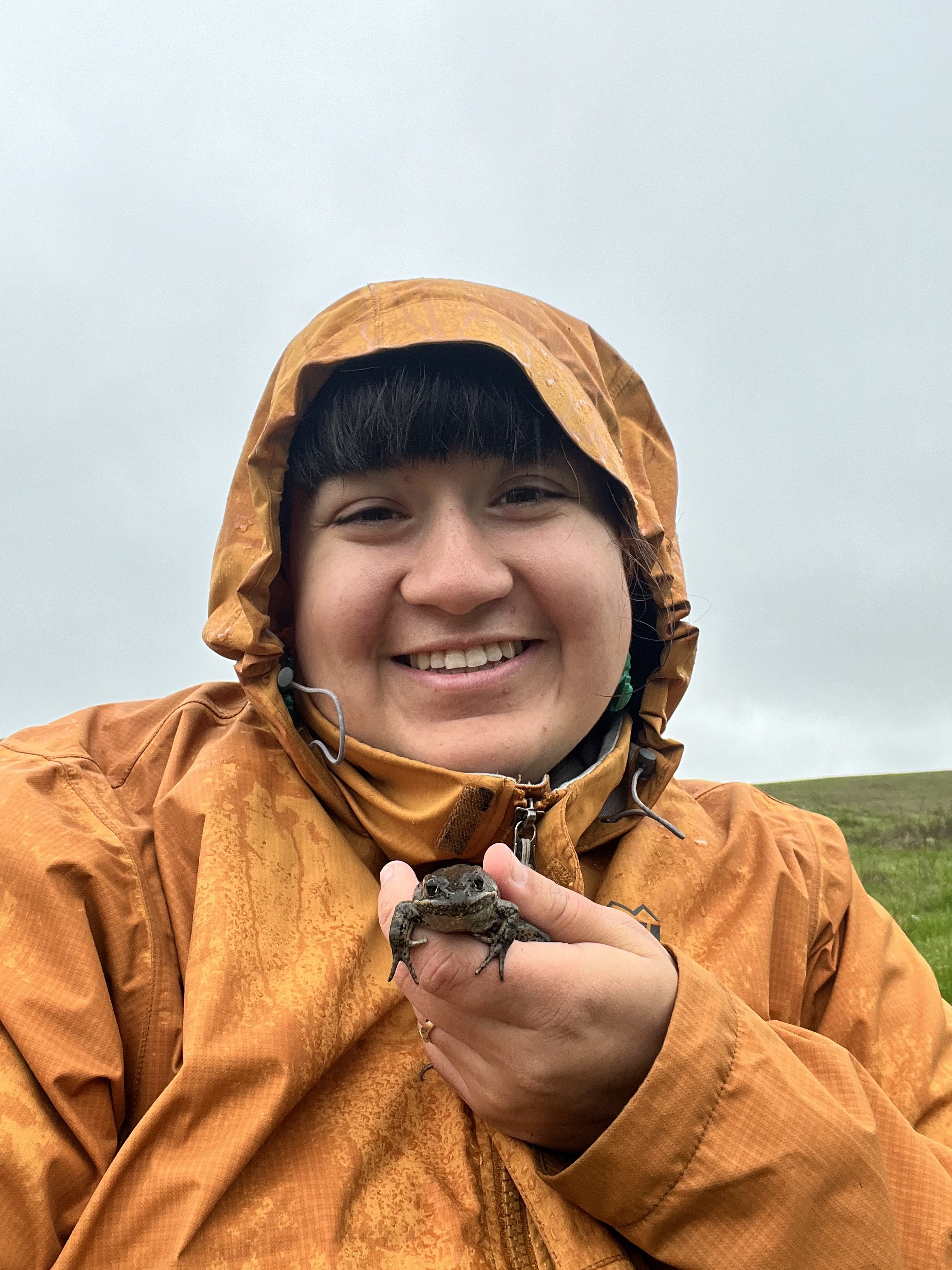
Hale Garcia-Dean is a recent graduate from Sonoma State University where they earned both their Master’s and Bachelor’s in Biology. They’re passionate about wildlife conservation, and science communication, and are currently working for Sonoma County Water Agency in their Education Department as a classroom educator and outdoor ed instructor. Hale has been working in the field of science communication for 6 years, and hopes to continue educating and communicating science in both public and professional settings.