Catalina Island Marine Institute
Restoring the Past to Protect the Future: Native Plant Restoration at Catalina Island Marine Institute
By Bill Brooks, CIR Board Member
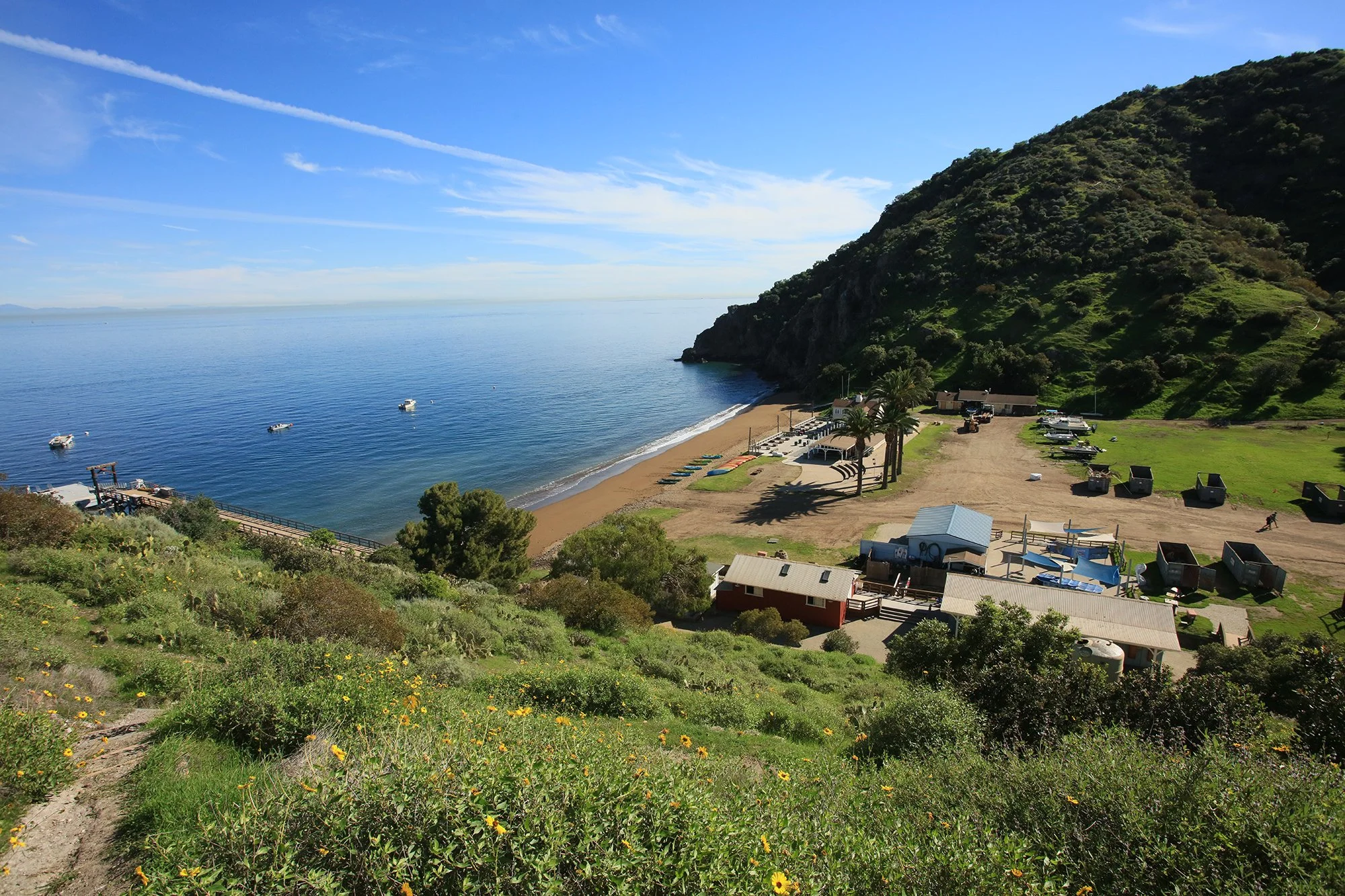
Toyon Bay, Catalina Island Marine Institute
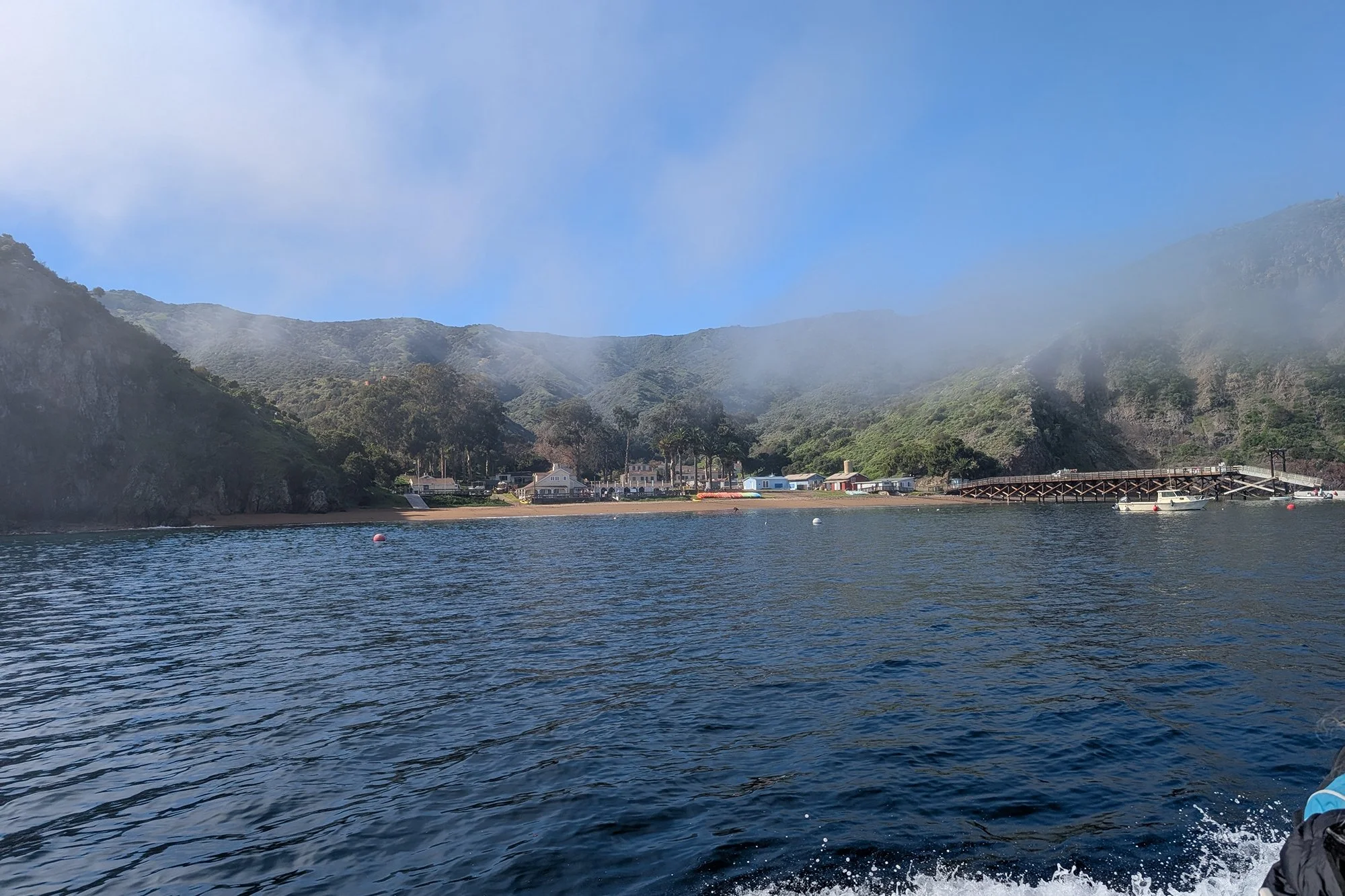
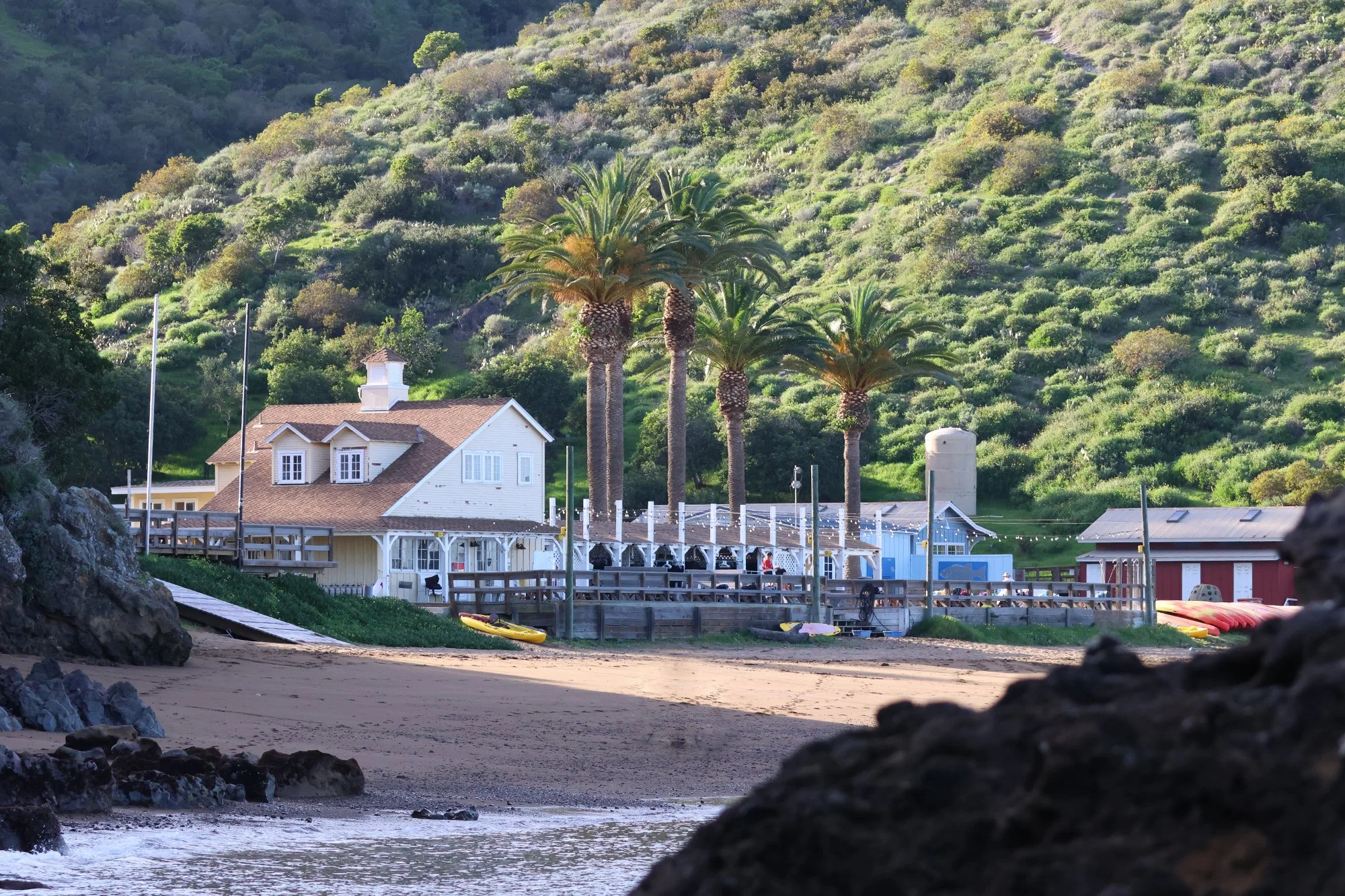
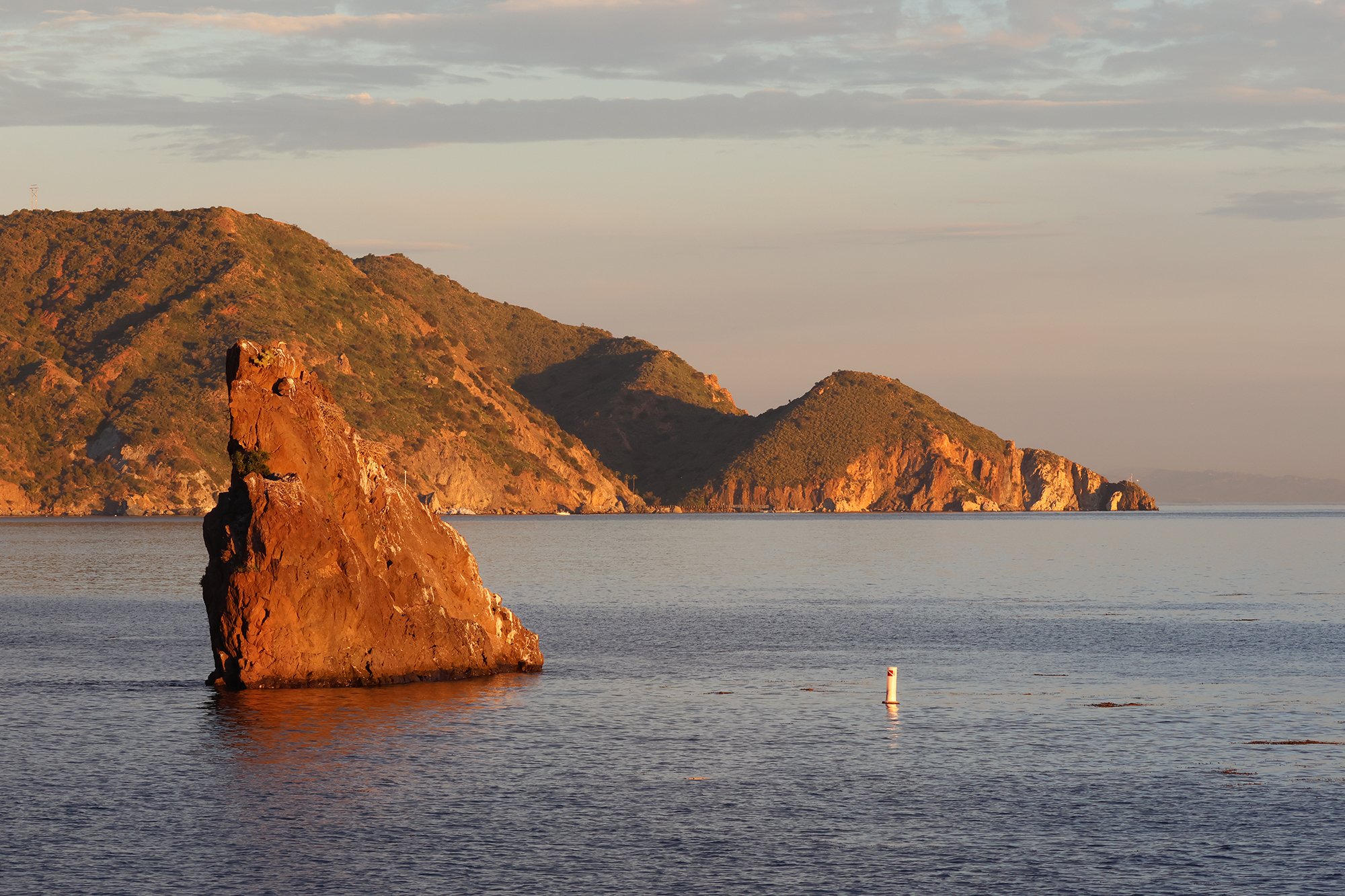
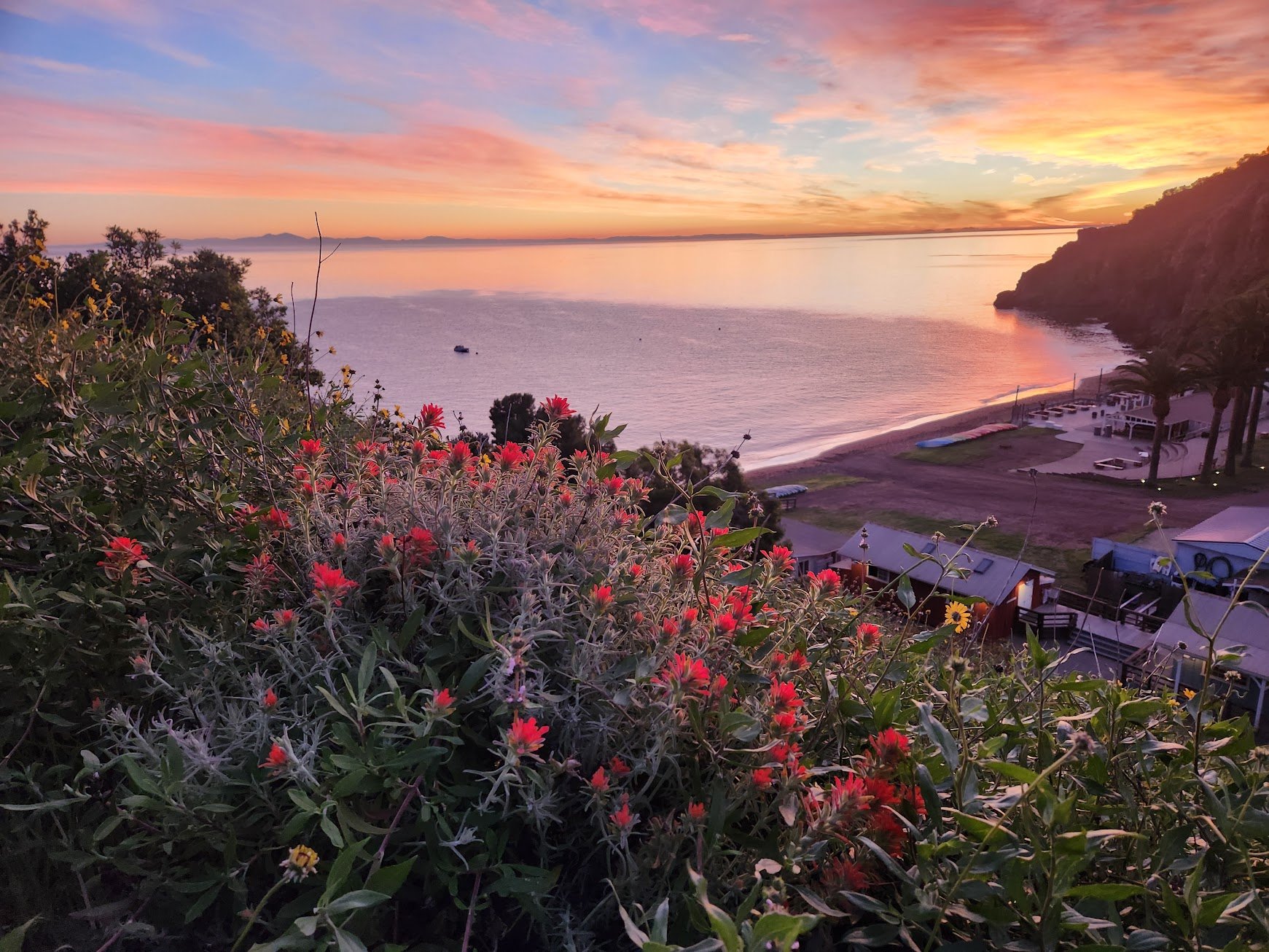
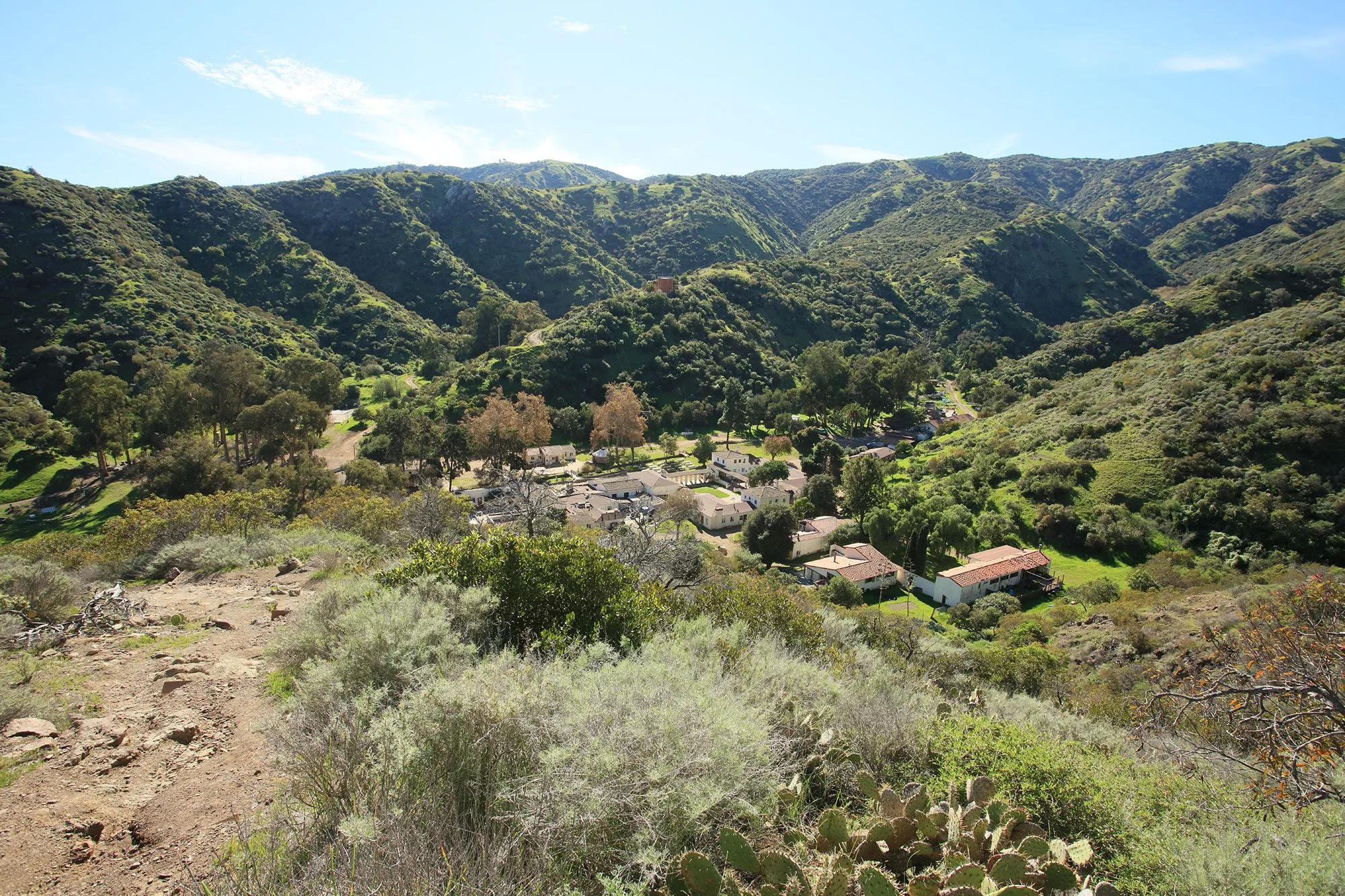
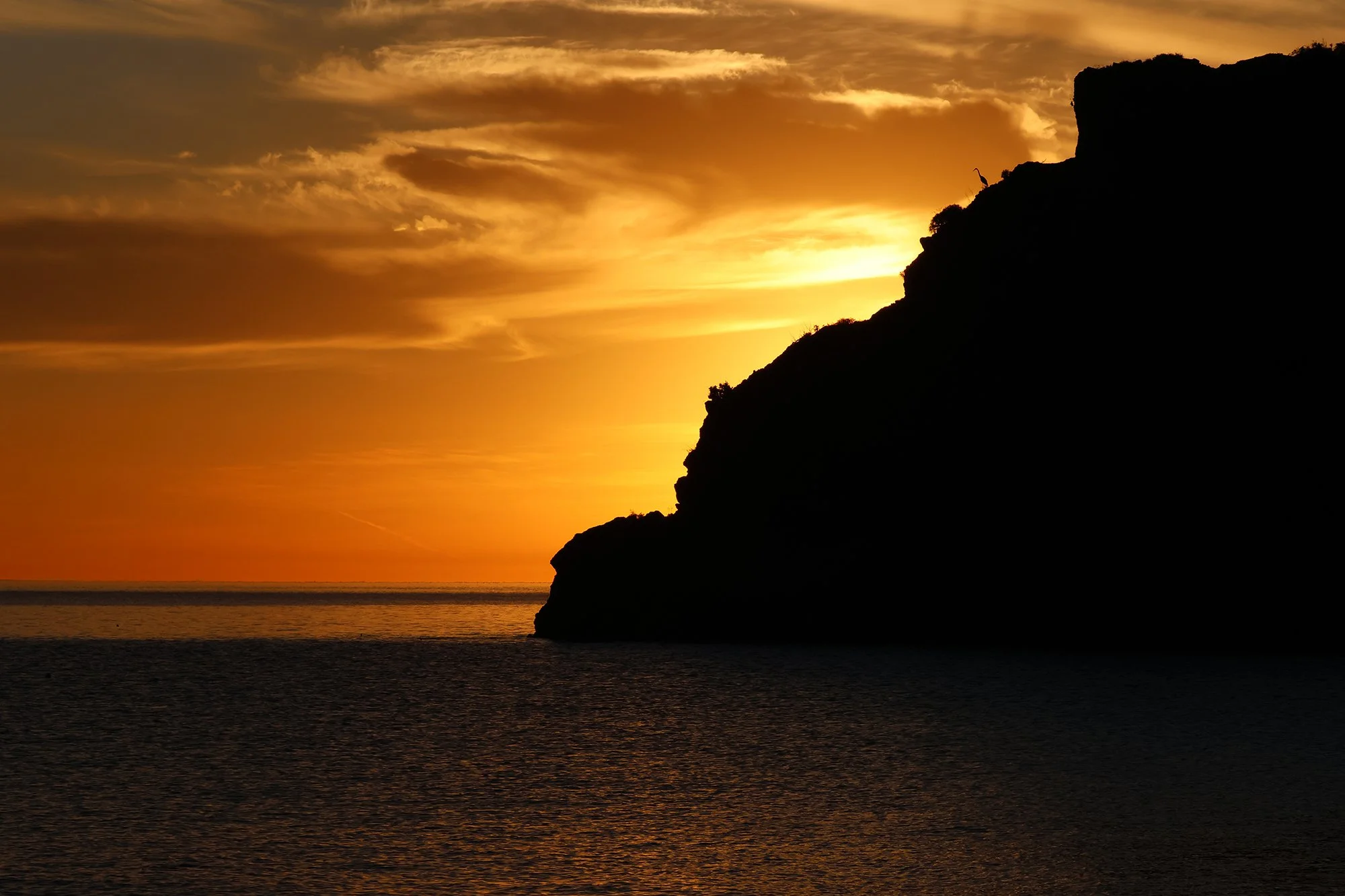
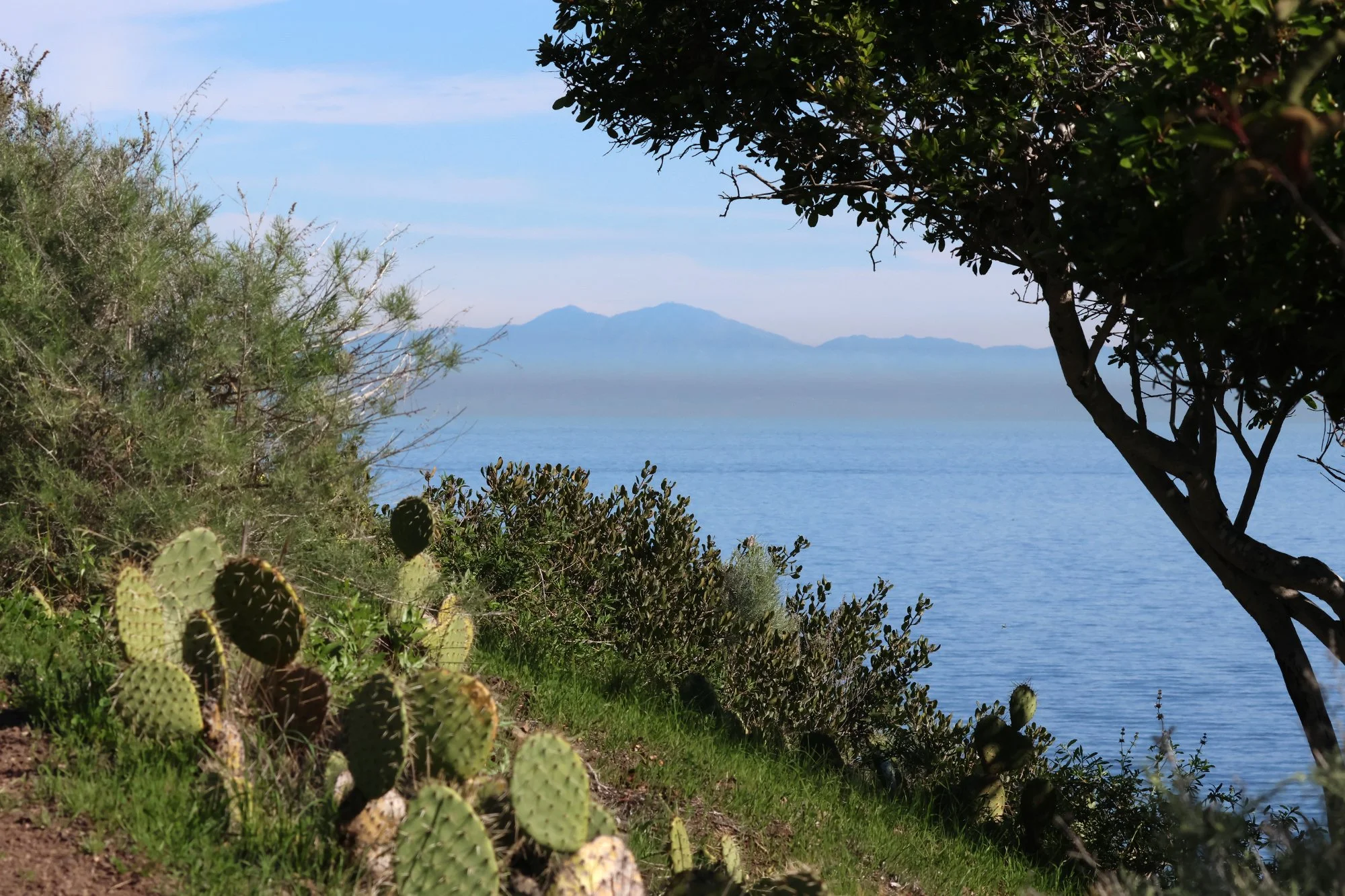
Perched along the rugged shoreline of Toyon Bay, the Catalina Island Marine Institute (CIMI) sits on land rich with history, learning, and transformation. Long before students donned snorkels and kayaks, this campus played a very different role in Catalina Island’s story—one that now comes full circle through native plant restoration.
In 1928, the site opened as the Catalina Island School, an exclusive boys’ boarding school that blended the character-building ideals of the Boy Scouts with a rigorous classical education modeled after prestigious British schools. The school was designed by D.M. Renton, the renowned architect behind the iconic Catalina Casino and other Avalon landmarks. At a time when a small house in the Los Angeles area could be purchased for about $12,000, tuition at the school cost $10,000 per year—placing it firmly among the most elite educational institutions of its era.
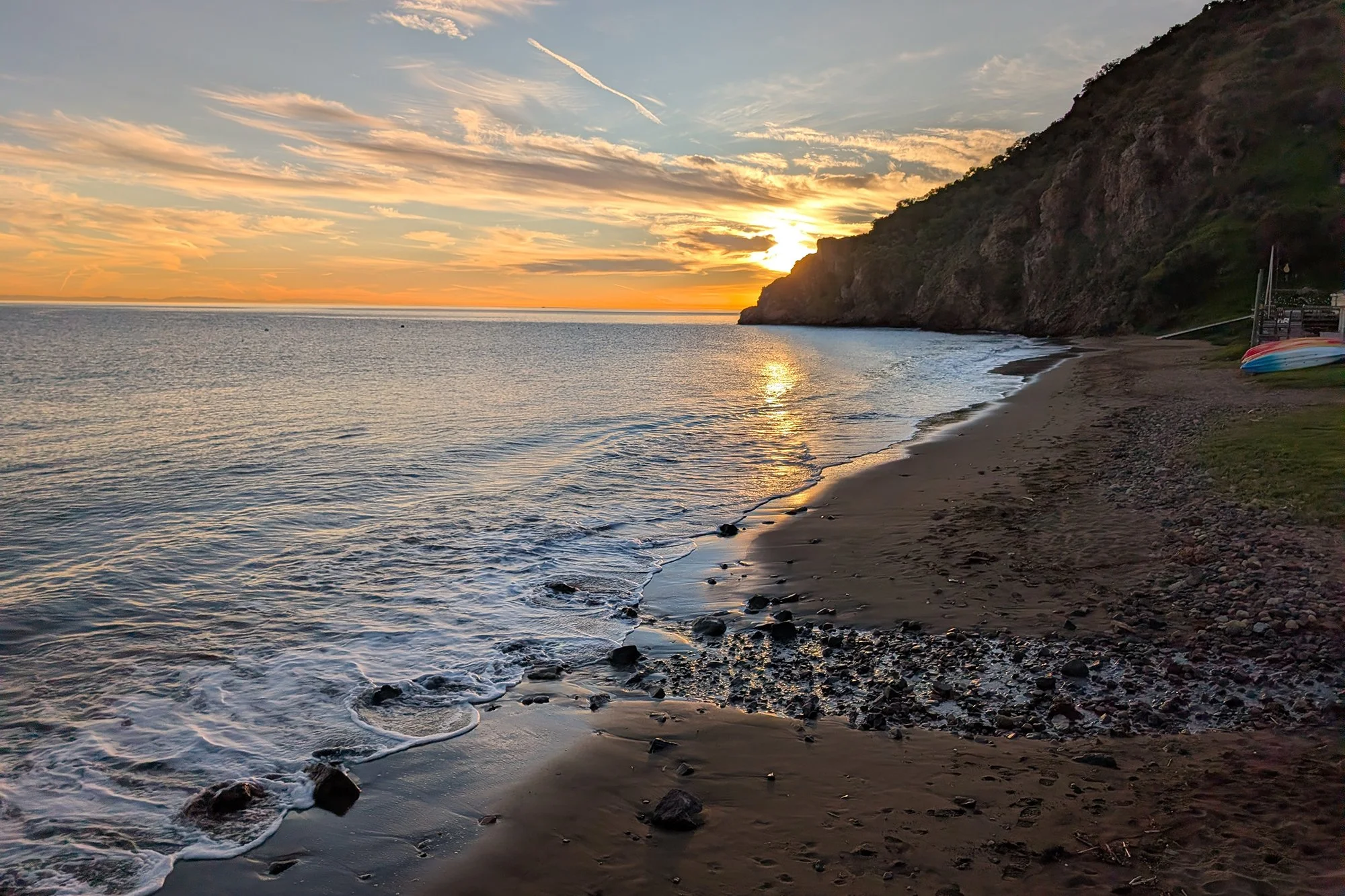
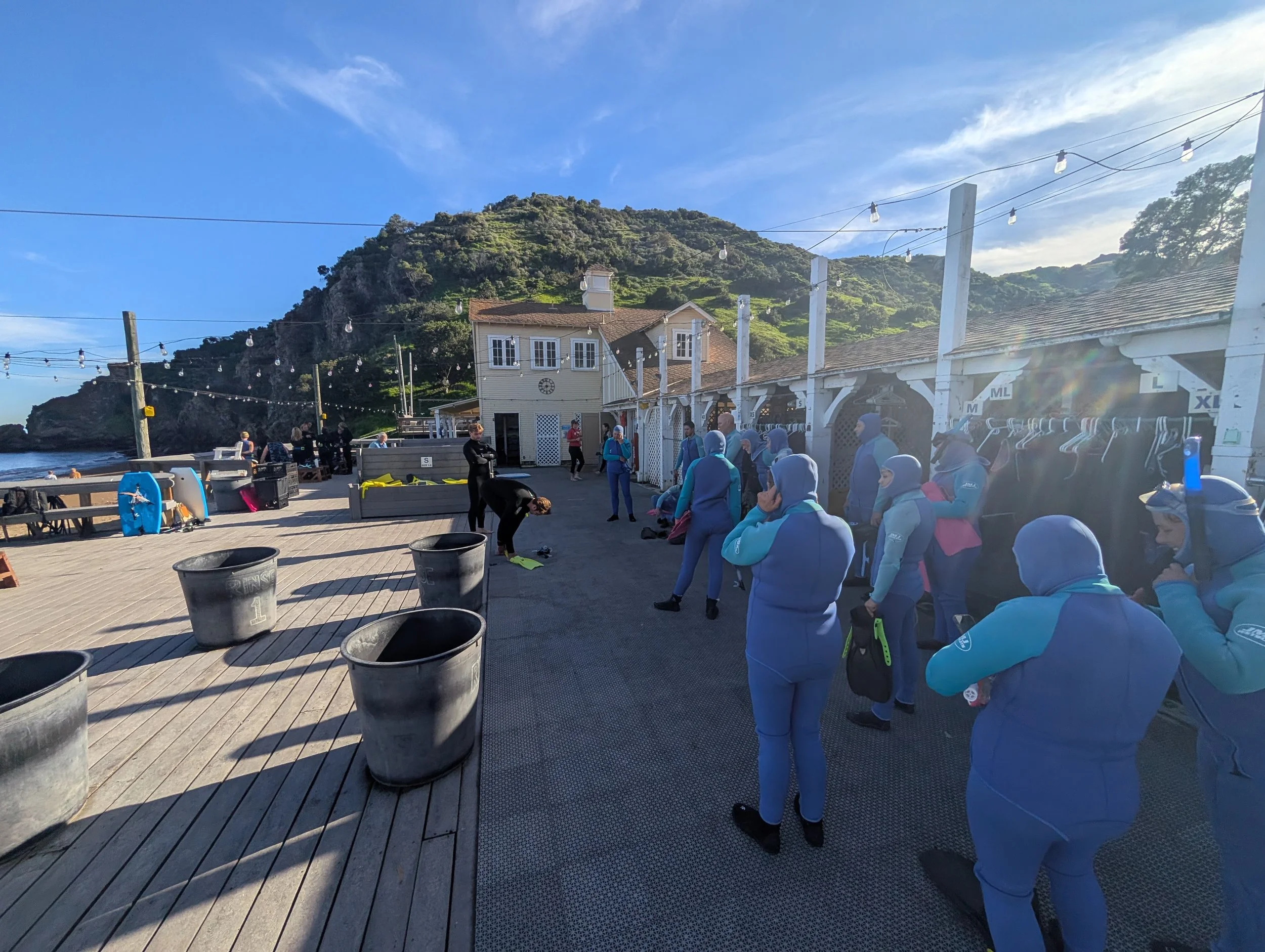
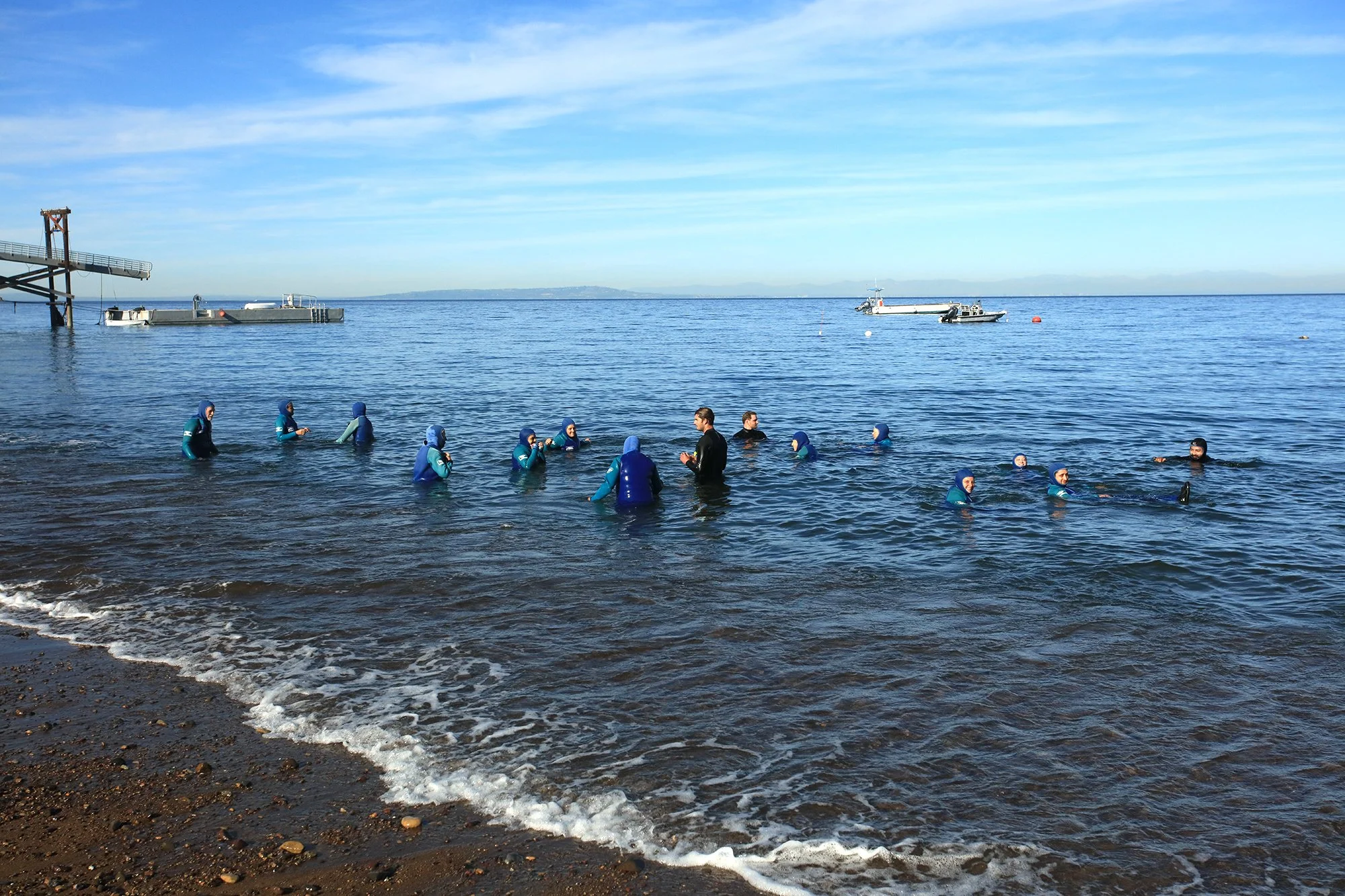
Volunteers took breaks to snorkel
World War II brought dramatic change. The campus was evacuated, and the Office of Strategic Services (OSS) used the grounds for training. The OSS would later evolve into the Central Intelligence Agency (CIA), adding an unexpected chapter of national significance to Toyon Bay’s history. In the years following the war, the property functioned variously as a resort and briefly again as the Catalina Island School.
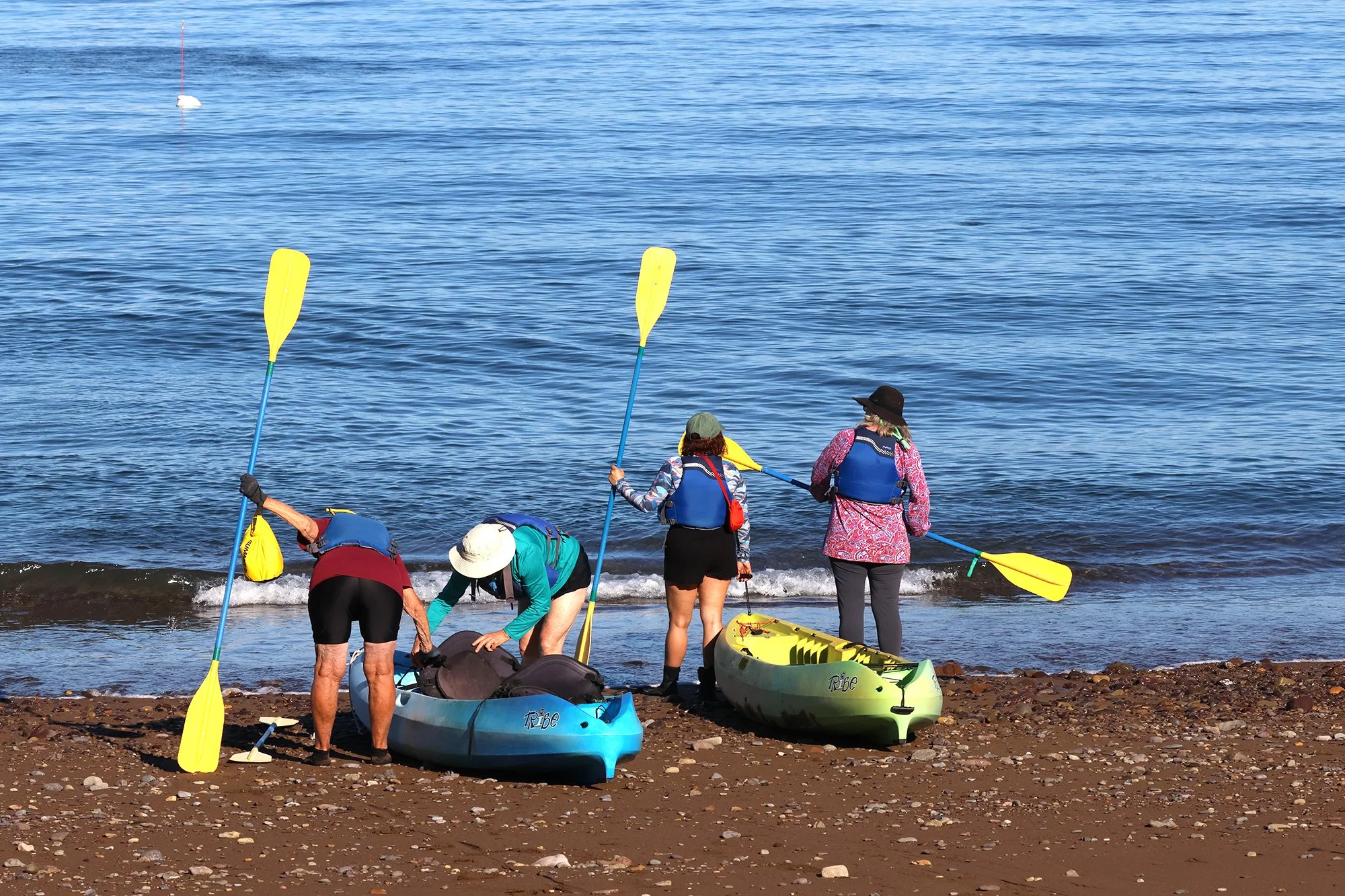
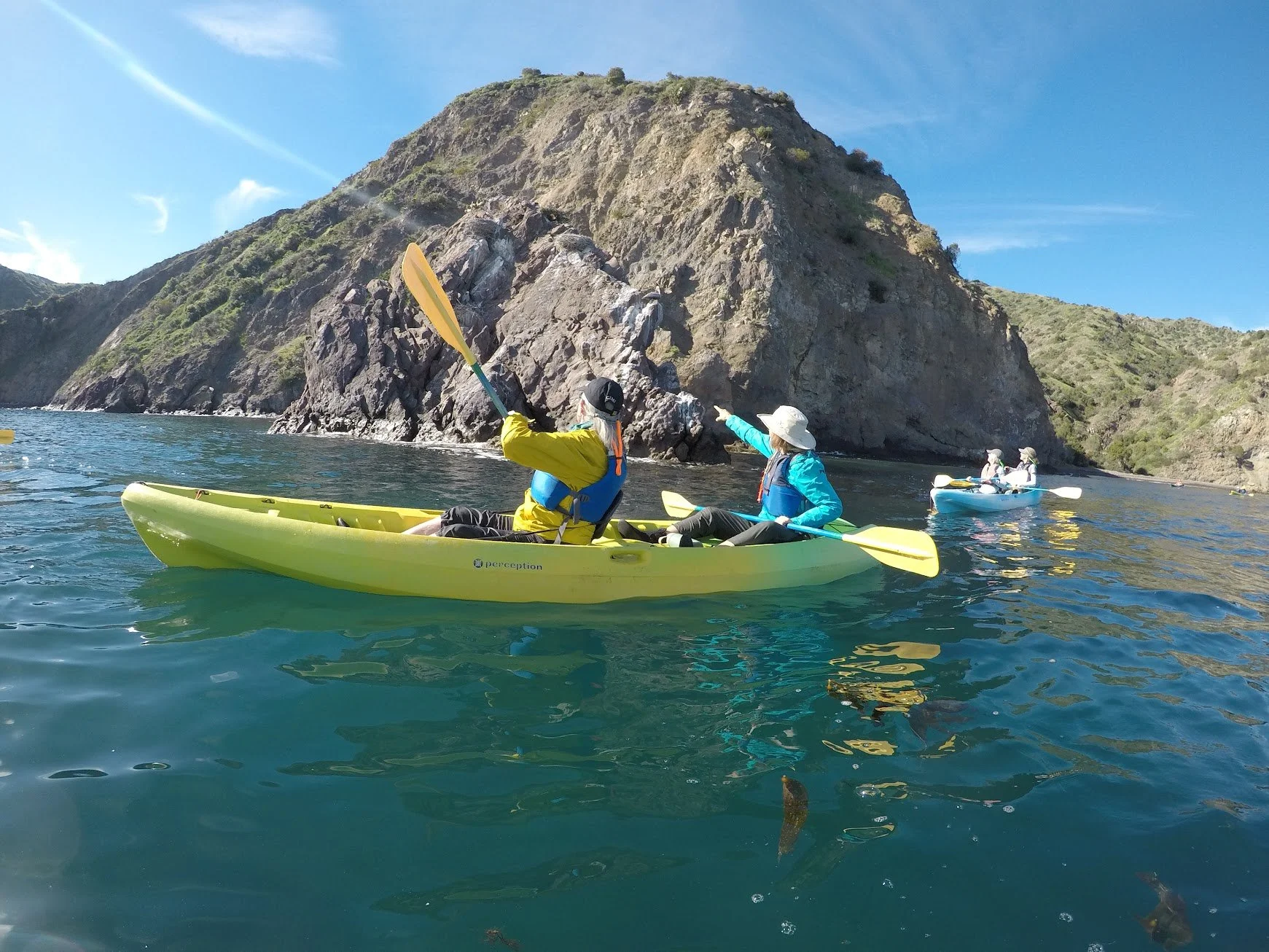
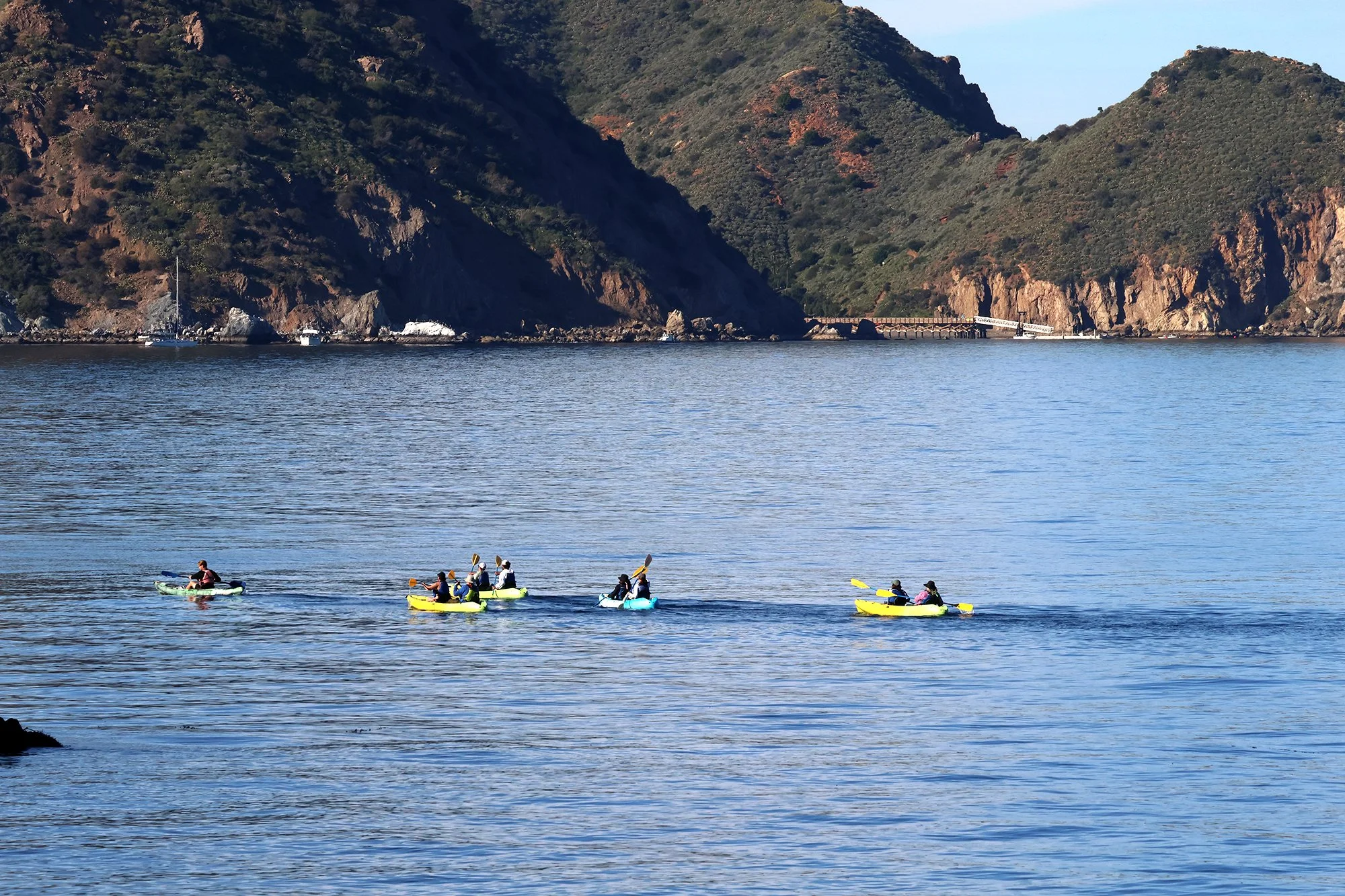
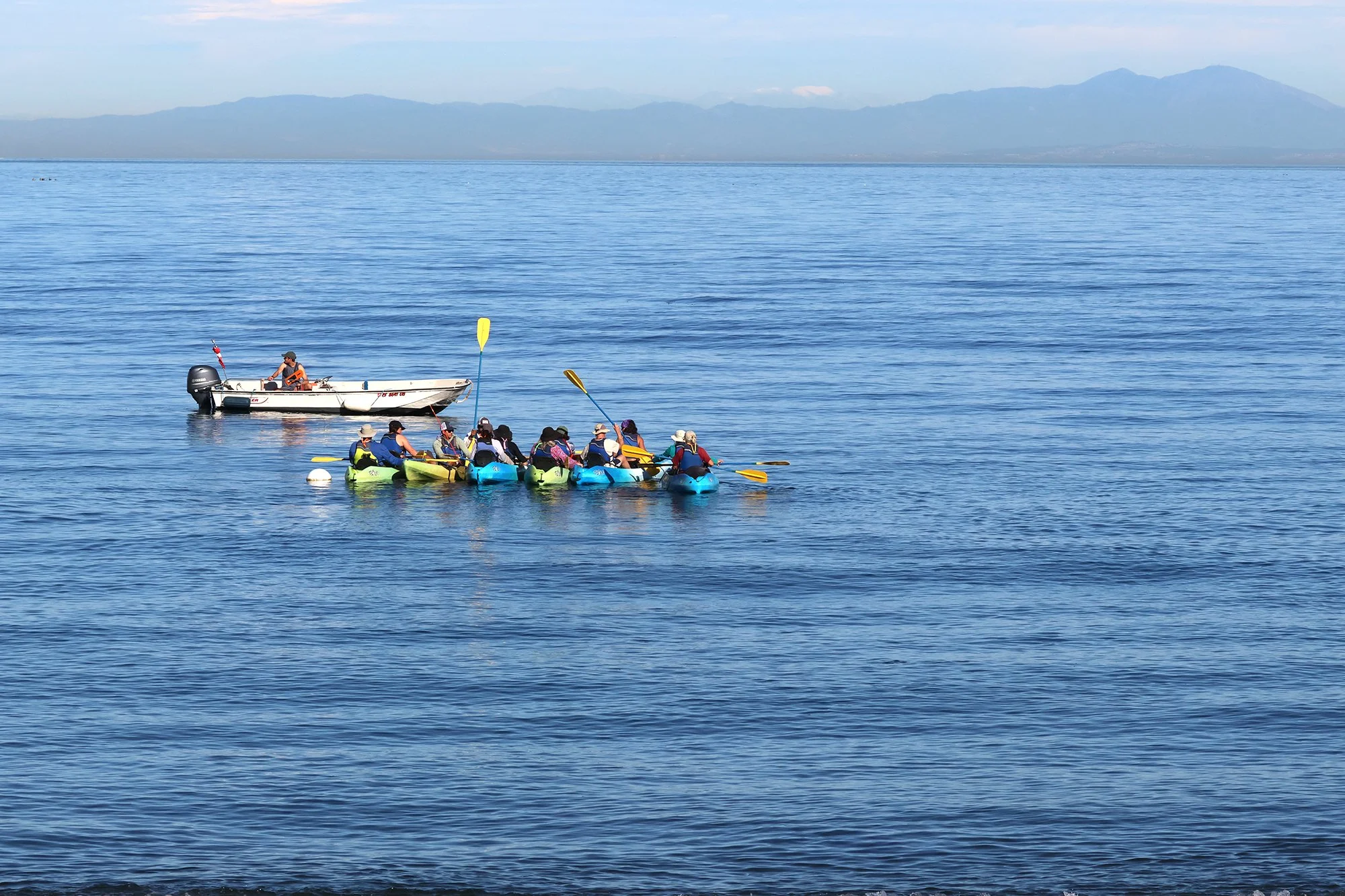
Volunteers took breaks to kayak
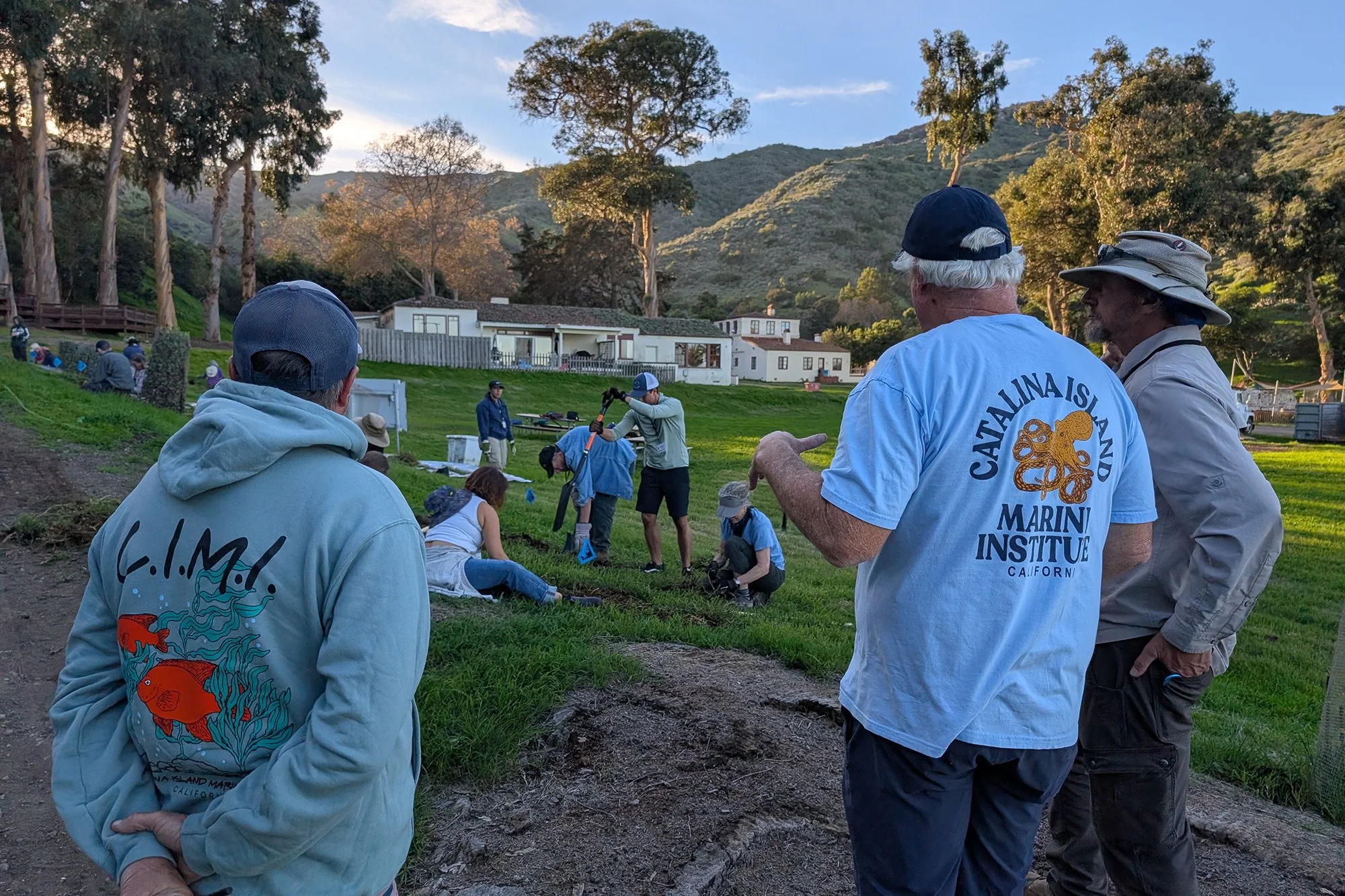
A new educational chapter began in 1979 when Guided Discoveries, Inc. leased the property and established what is now the Catalina Island Marine Institute. Today, CIMI is a hands-on marine science facility serving school groups and summer campers, with a curriculum centered on experiential learning in oceanography, marine biology, ecology, and conservation.
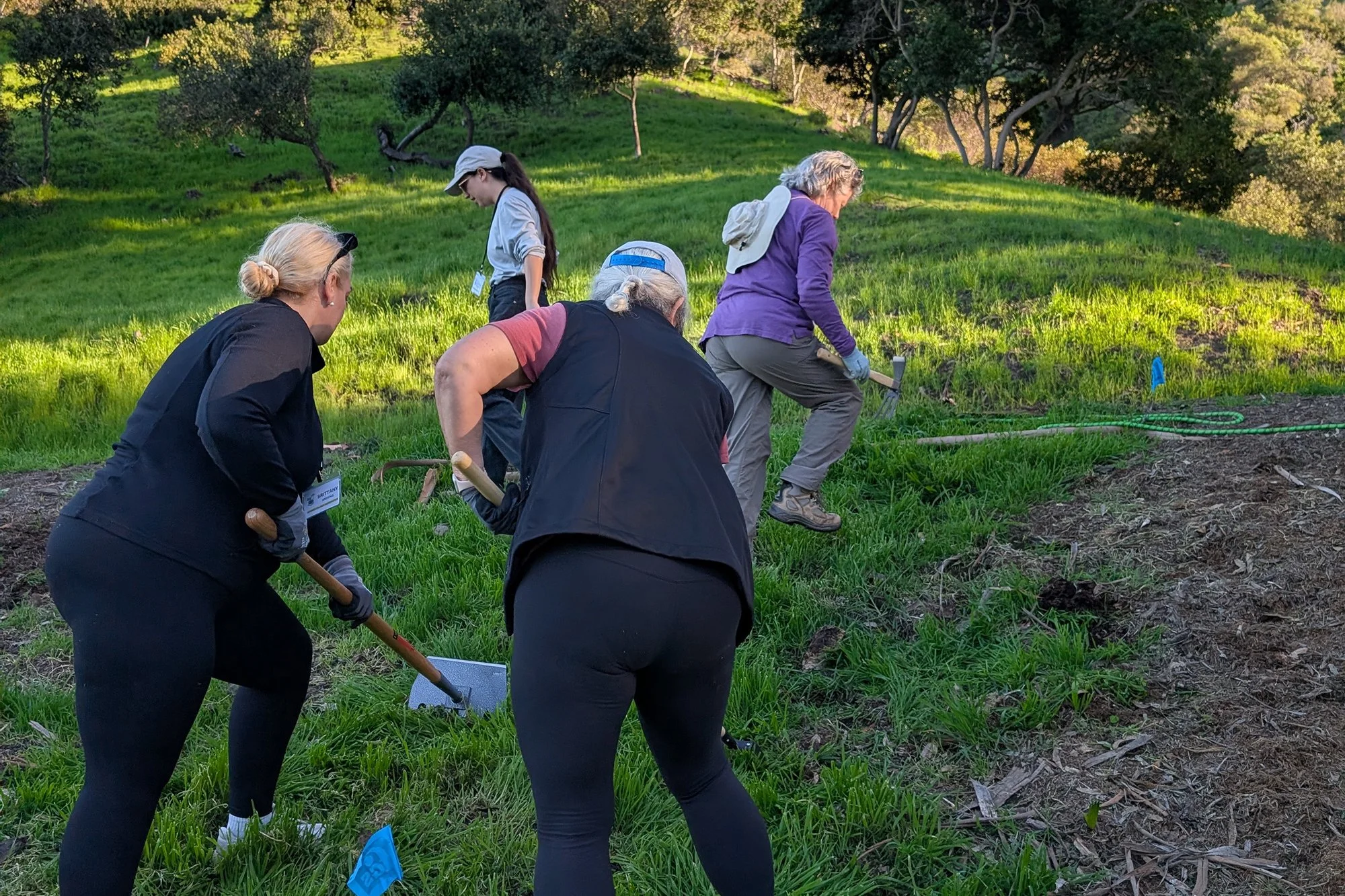
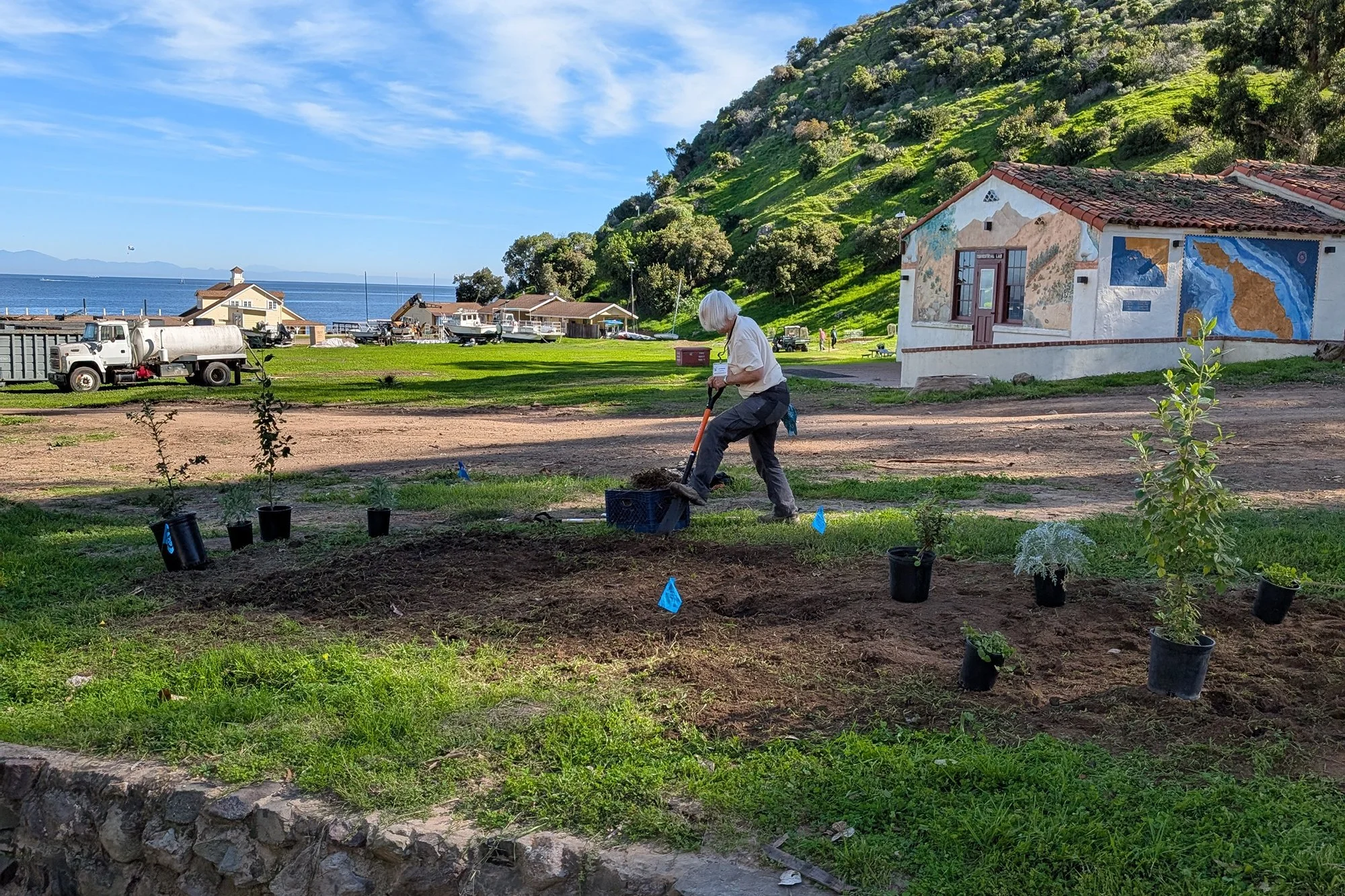
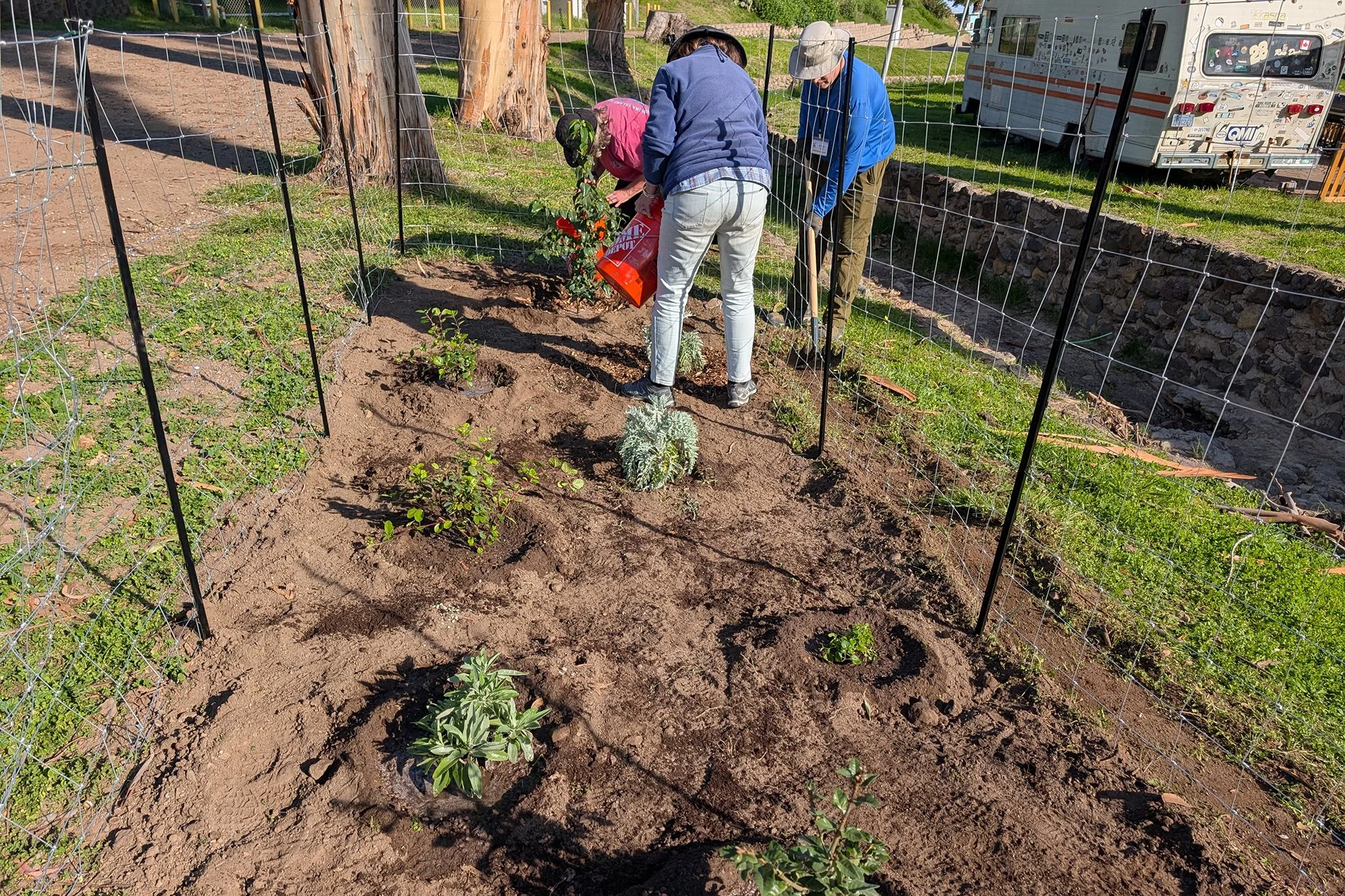
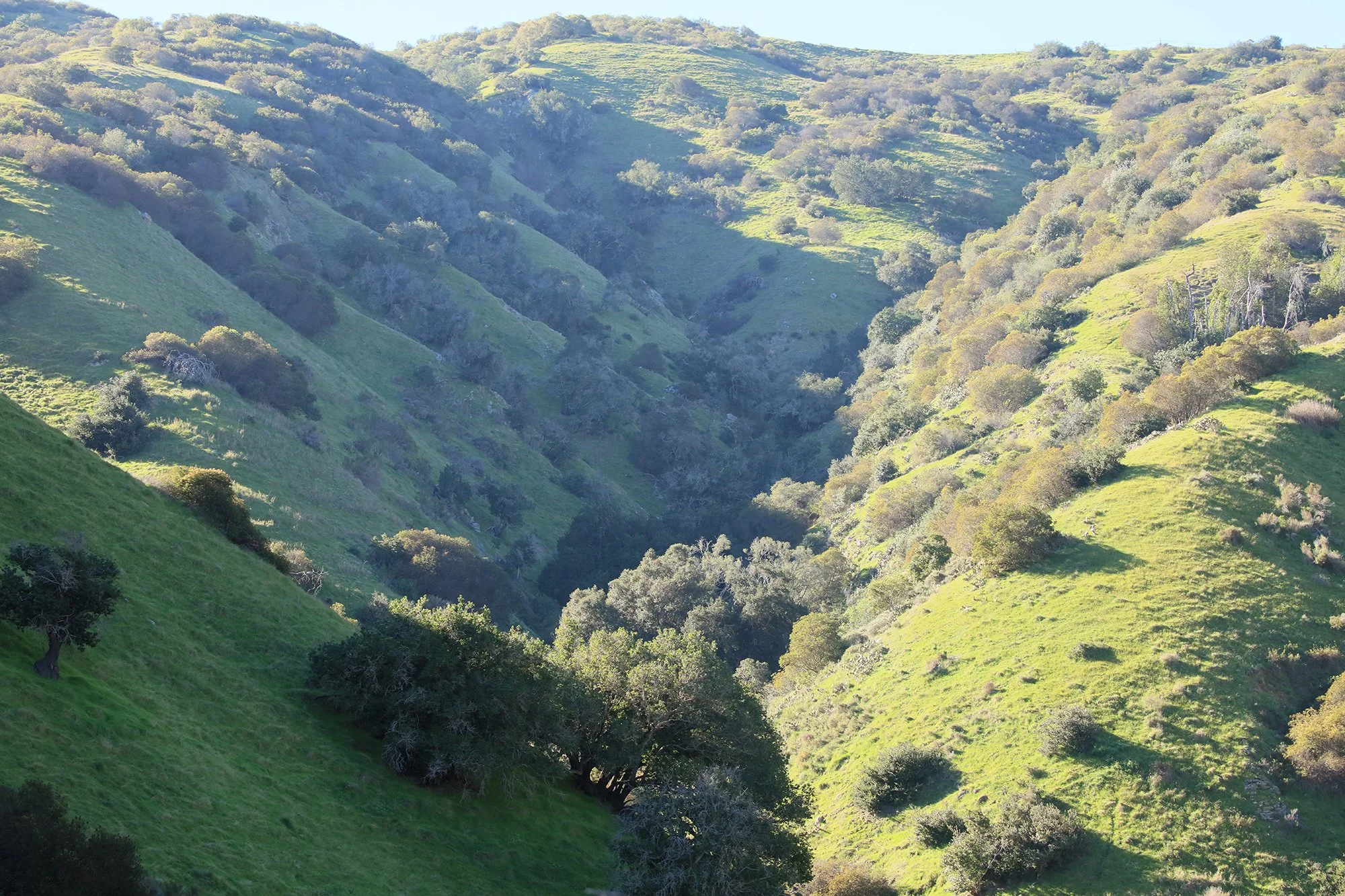
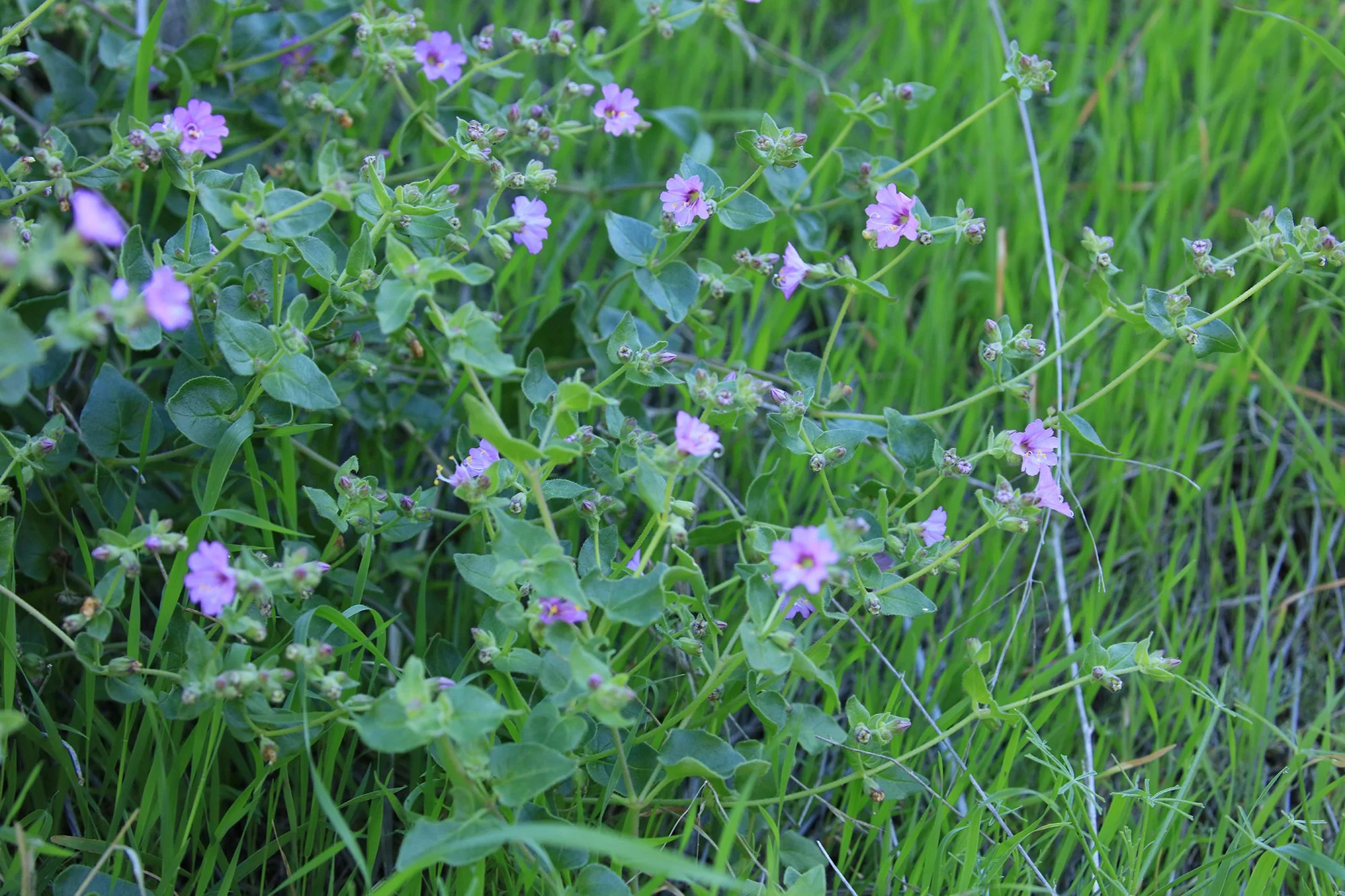
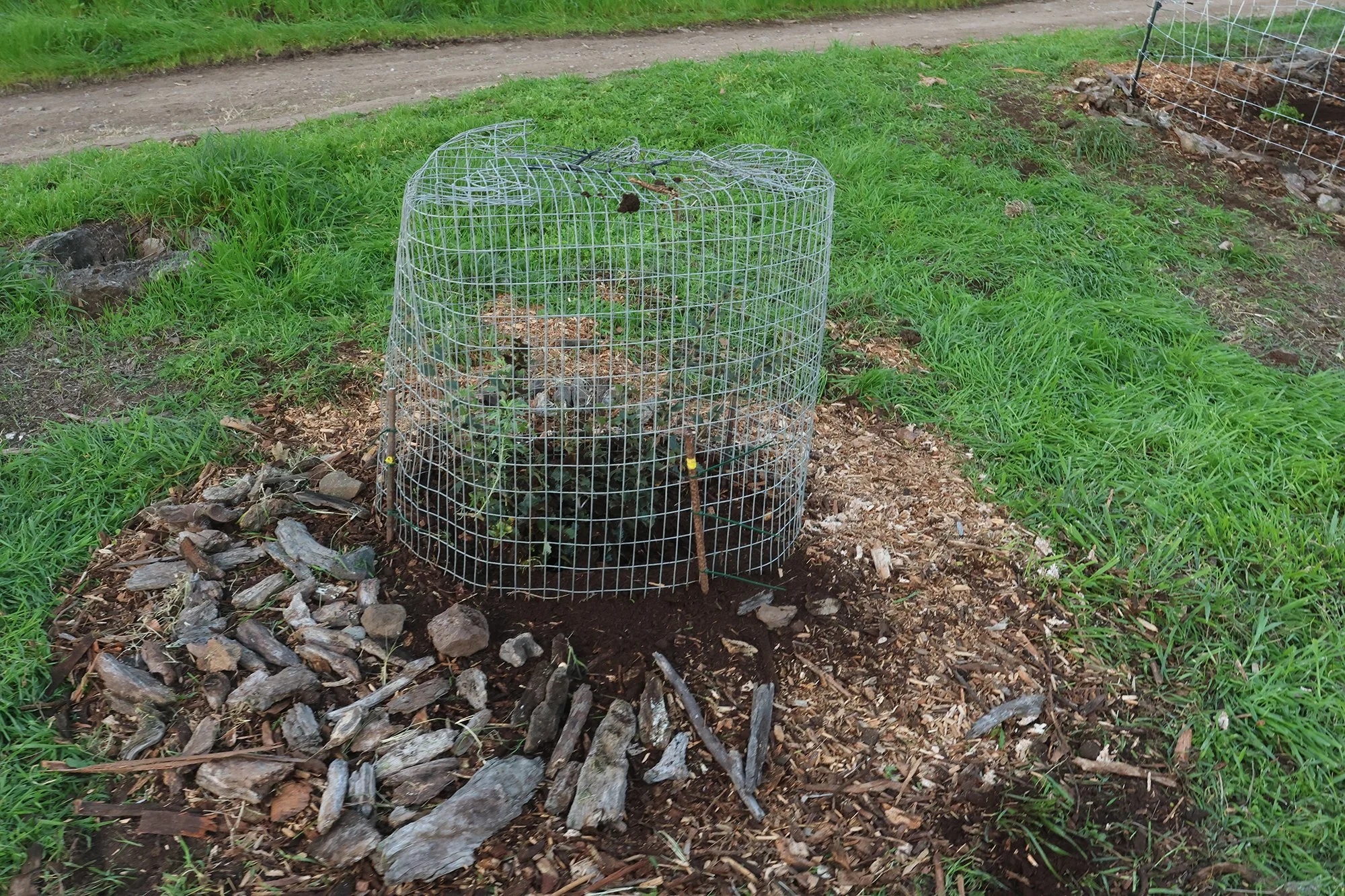
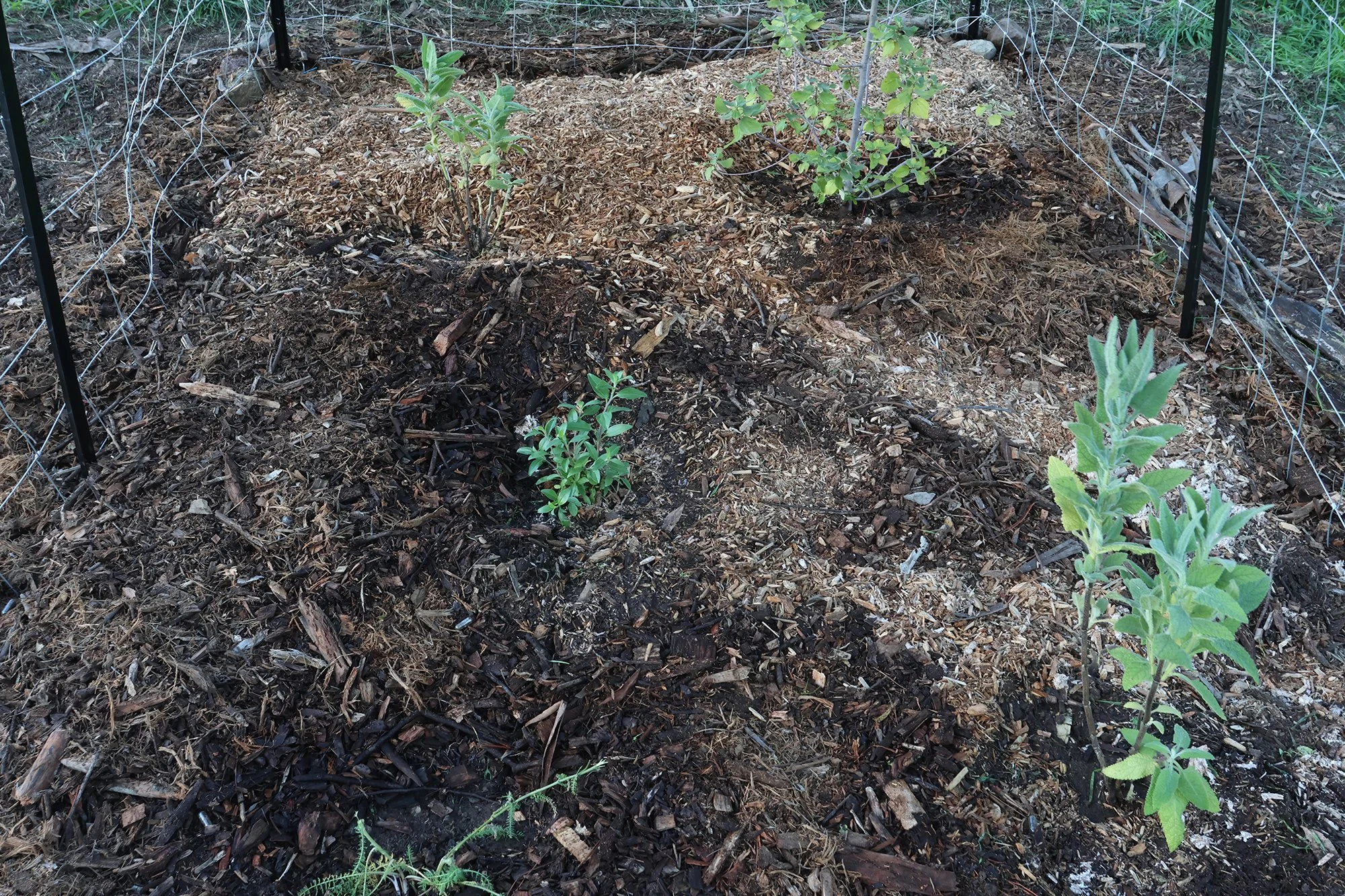
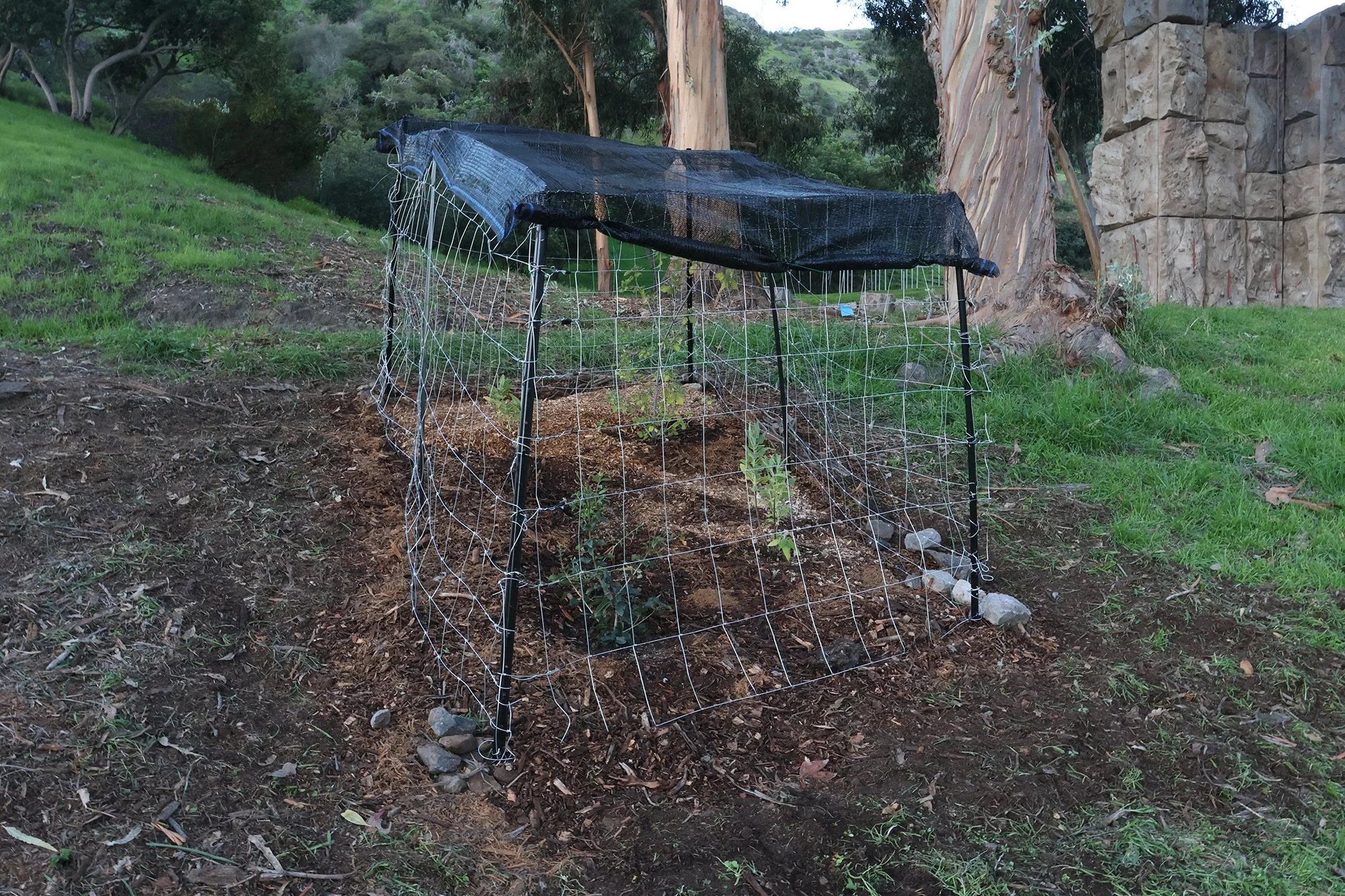
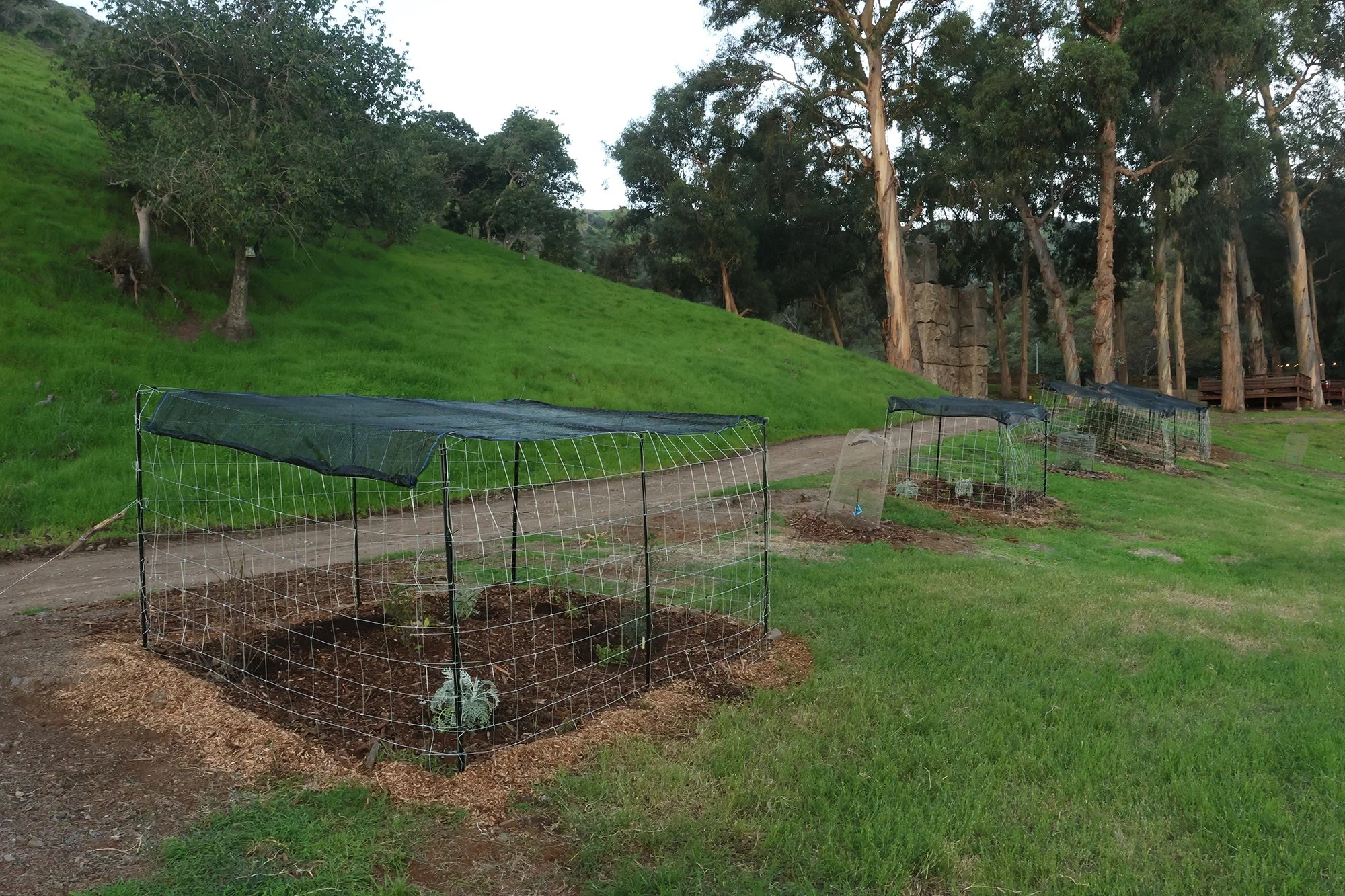
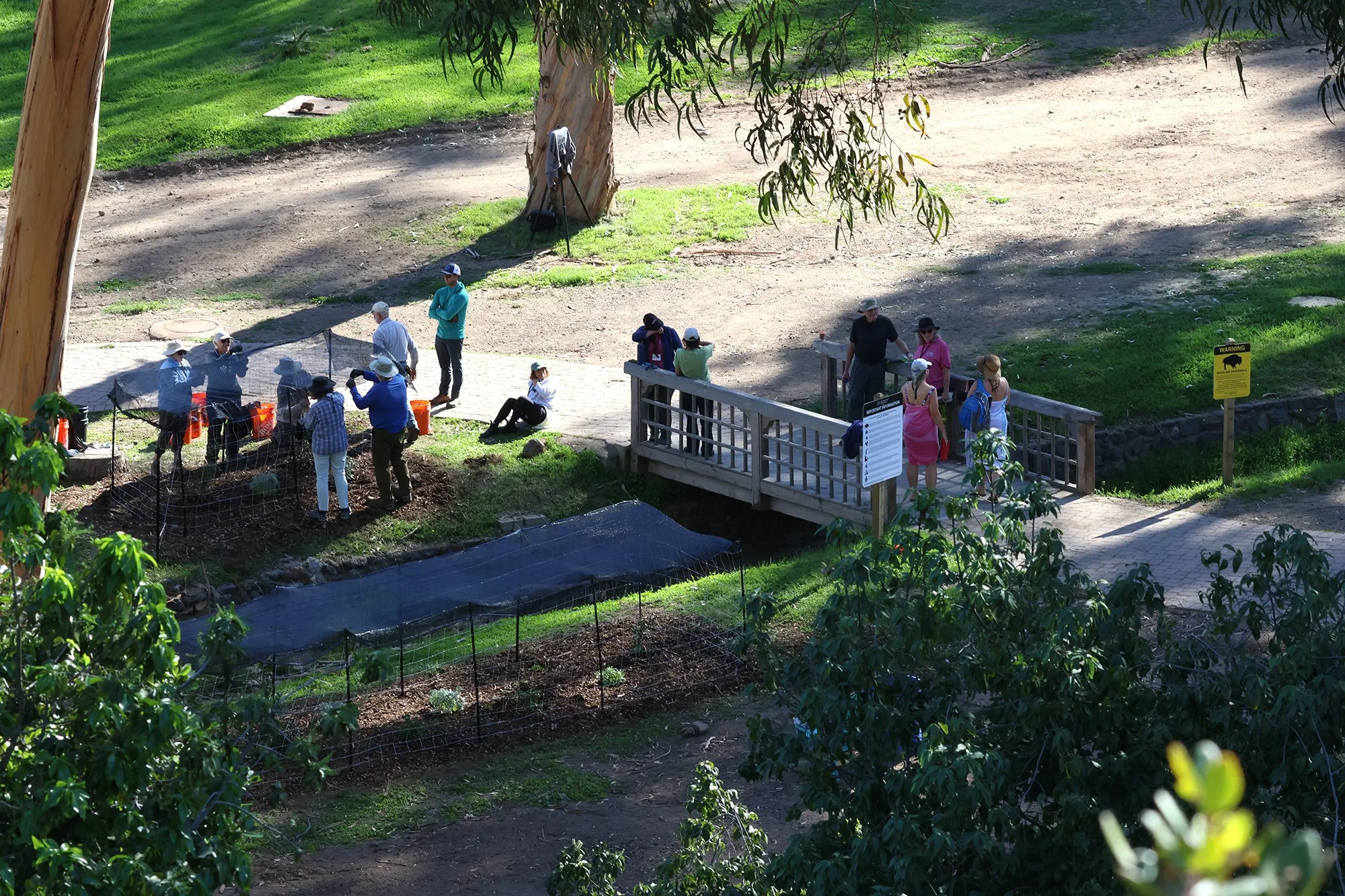
That commitment to environmental stewardship recently expanded onto land. Channel Islands Restoration, CIMI, and the Catalina Island Conservancy partnered to restore California and island native plants to the Toyon Bay campus—an area long dominated by invasive grasses. During site preparation, volunteers discovered that the only native plant present was miner’s lettuce.
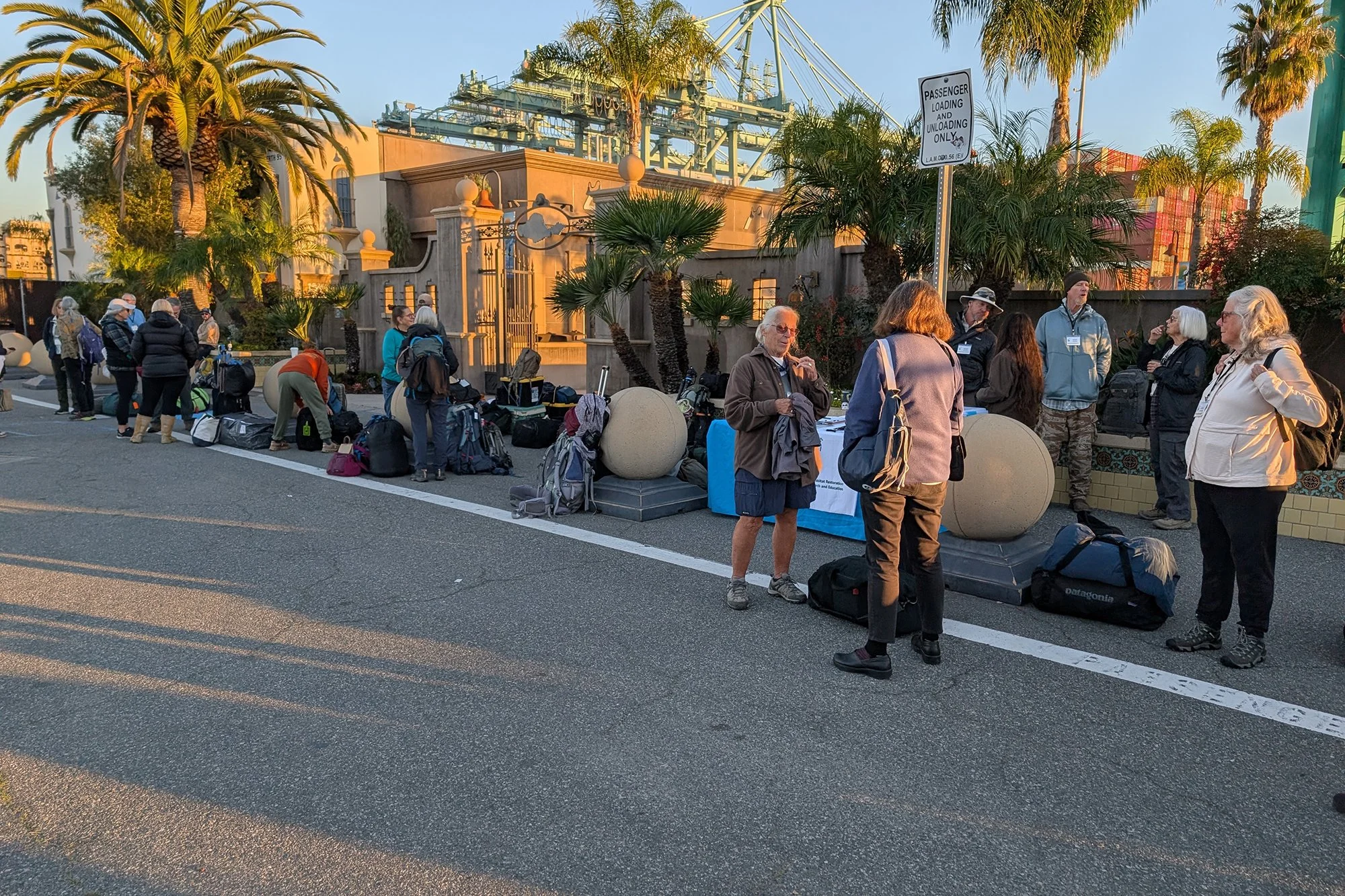
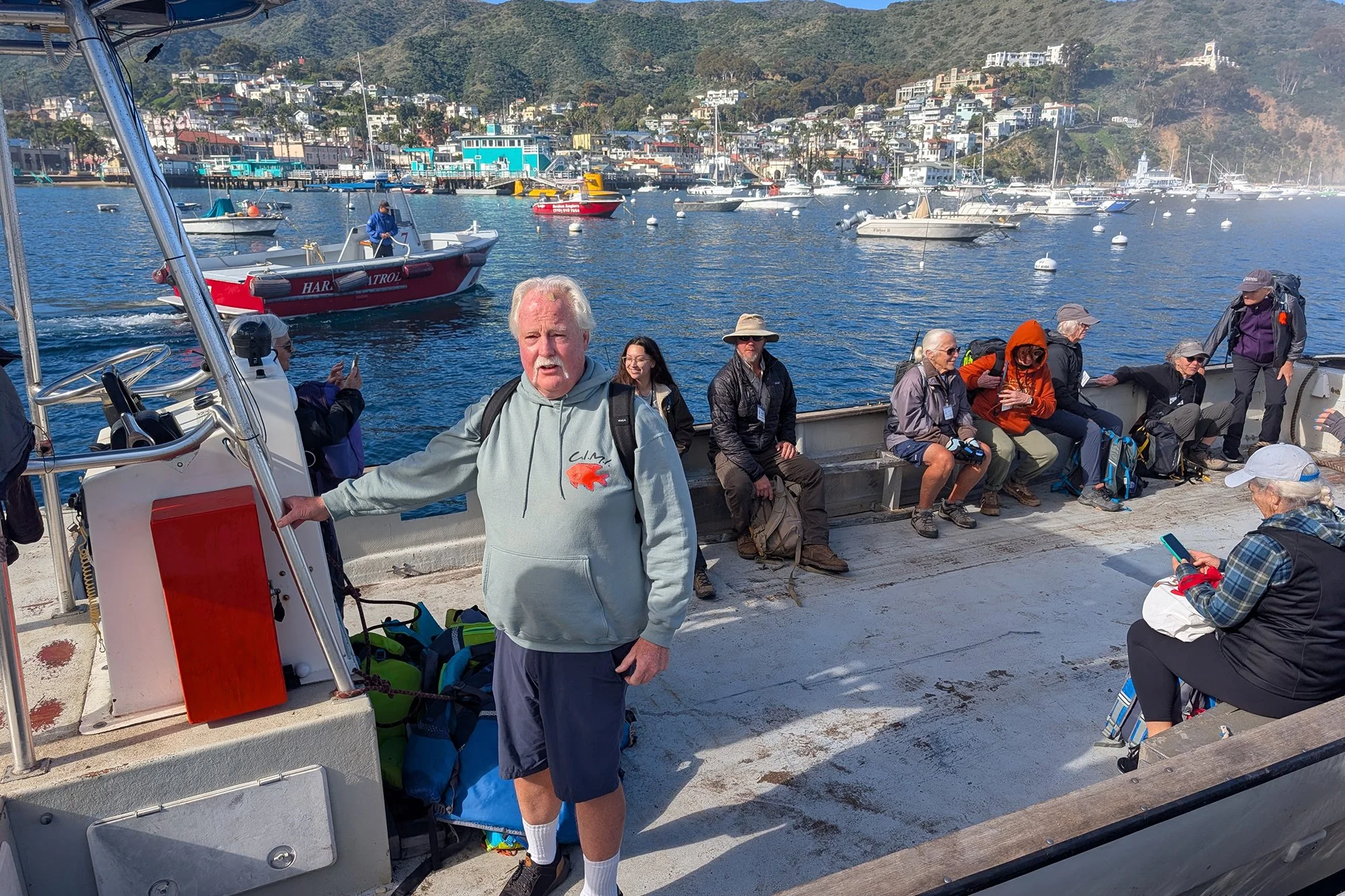
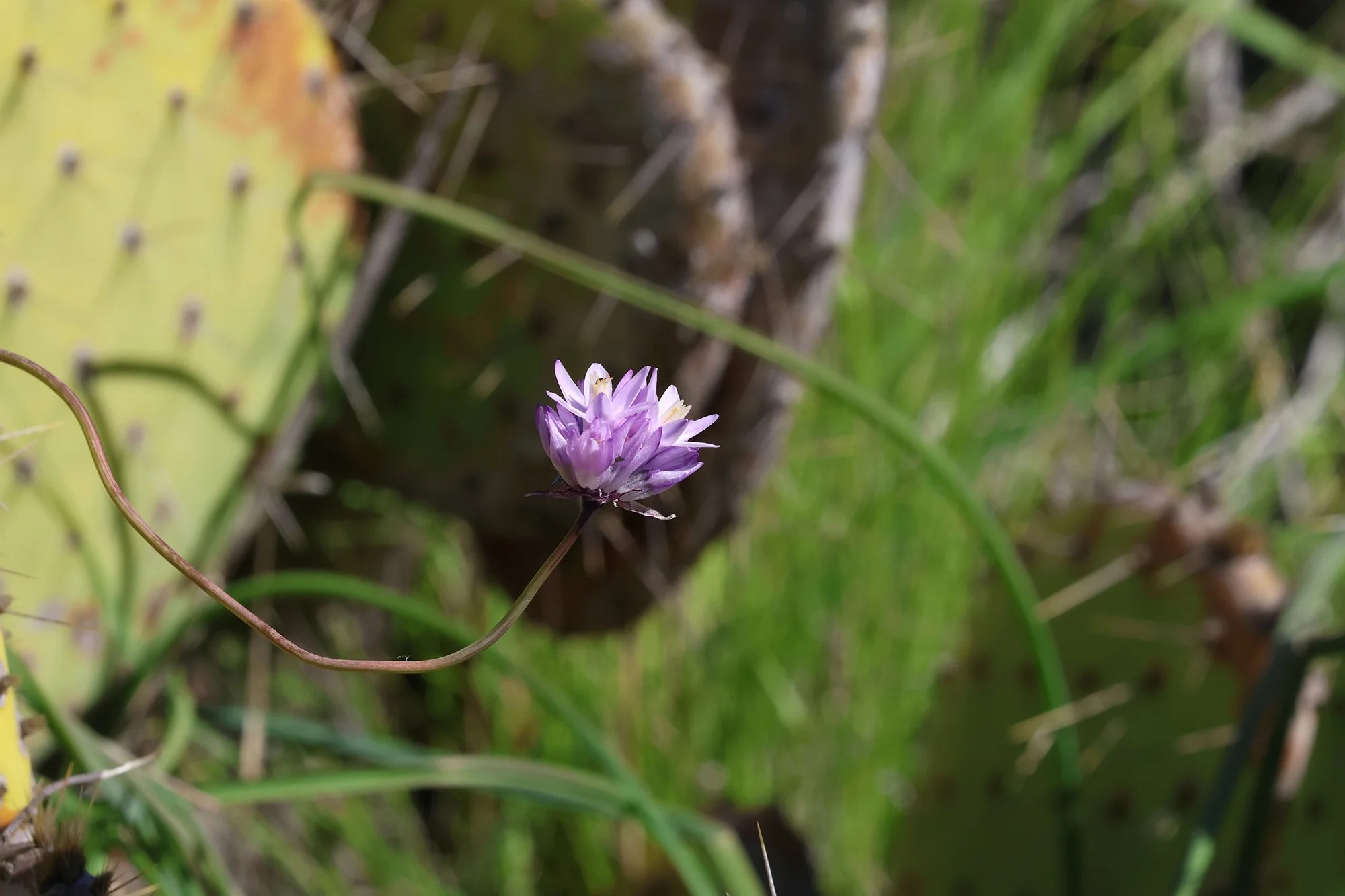
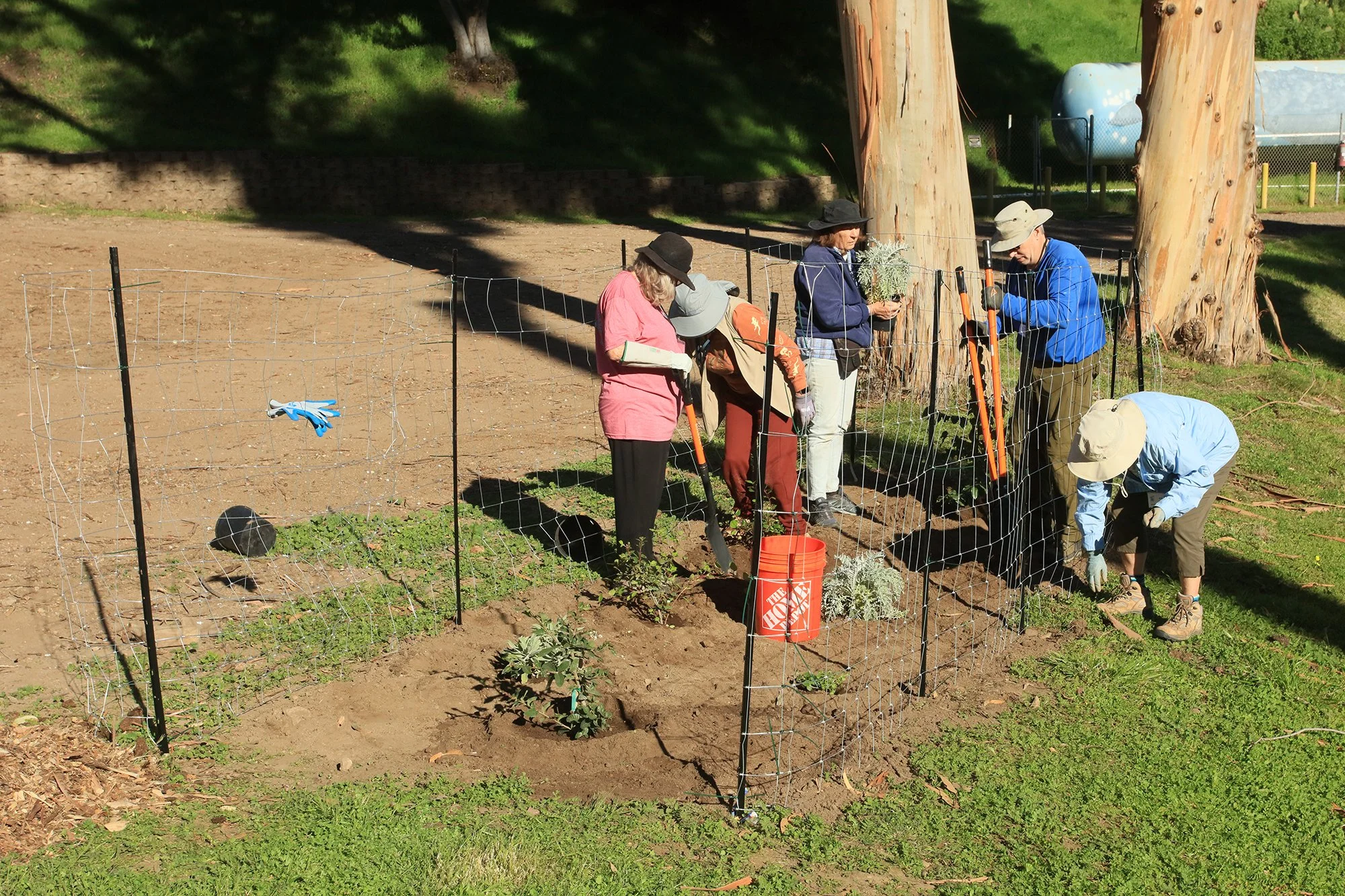
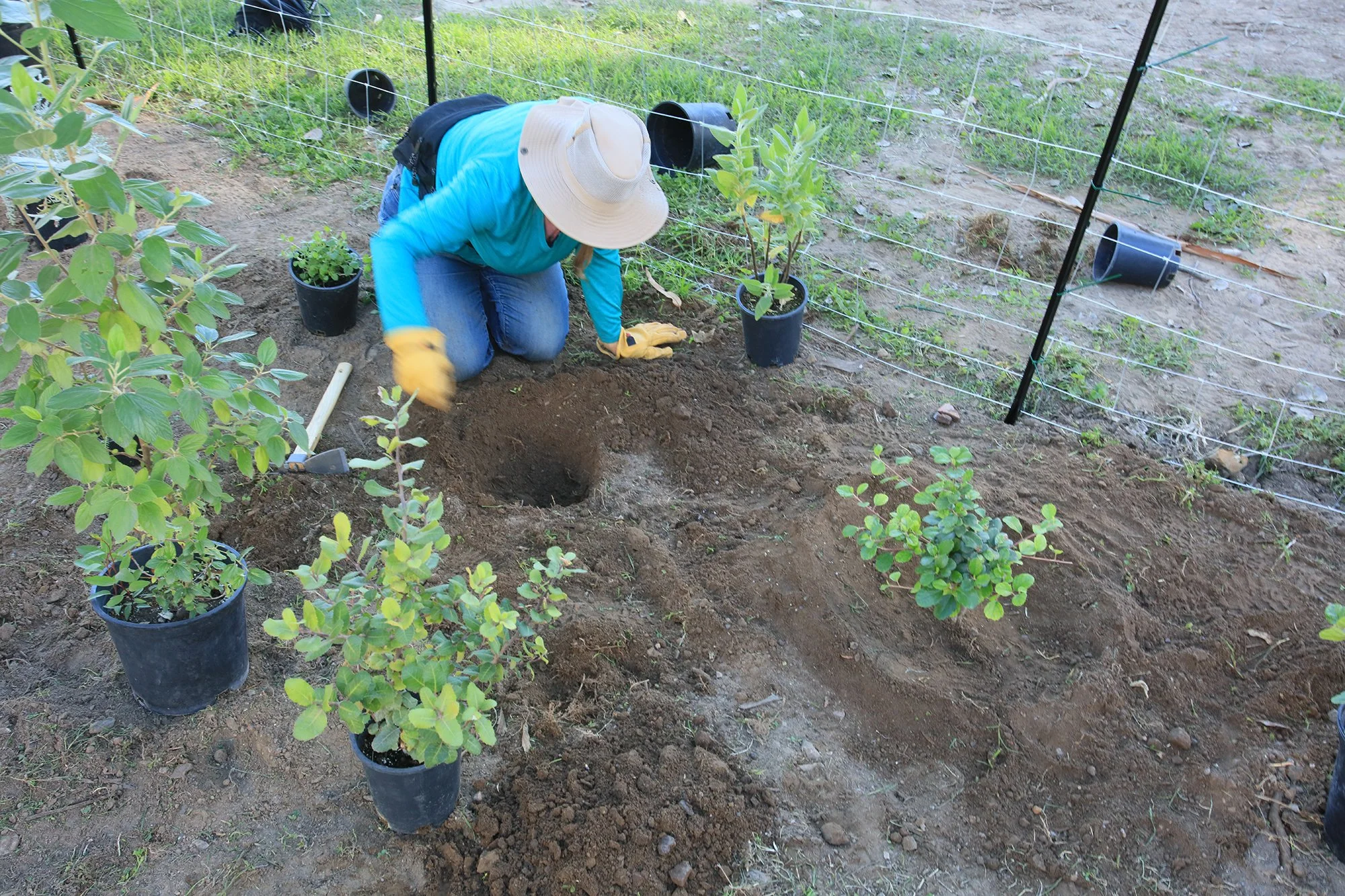
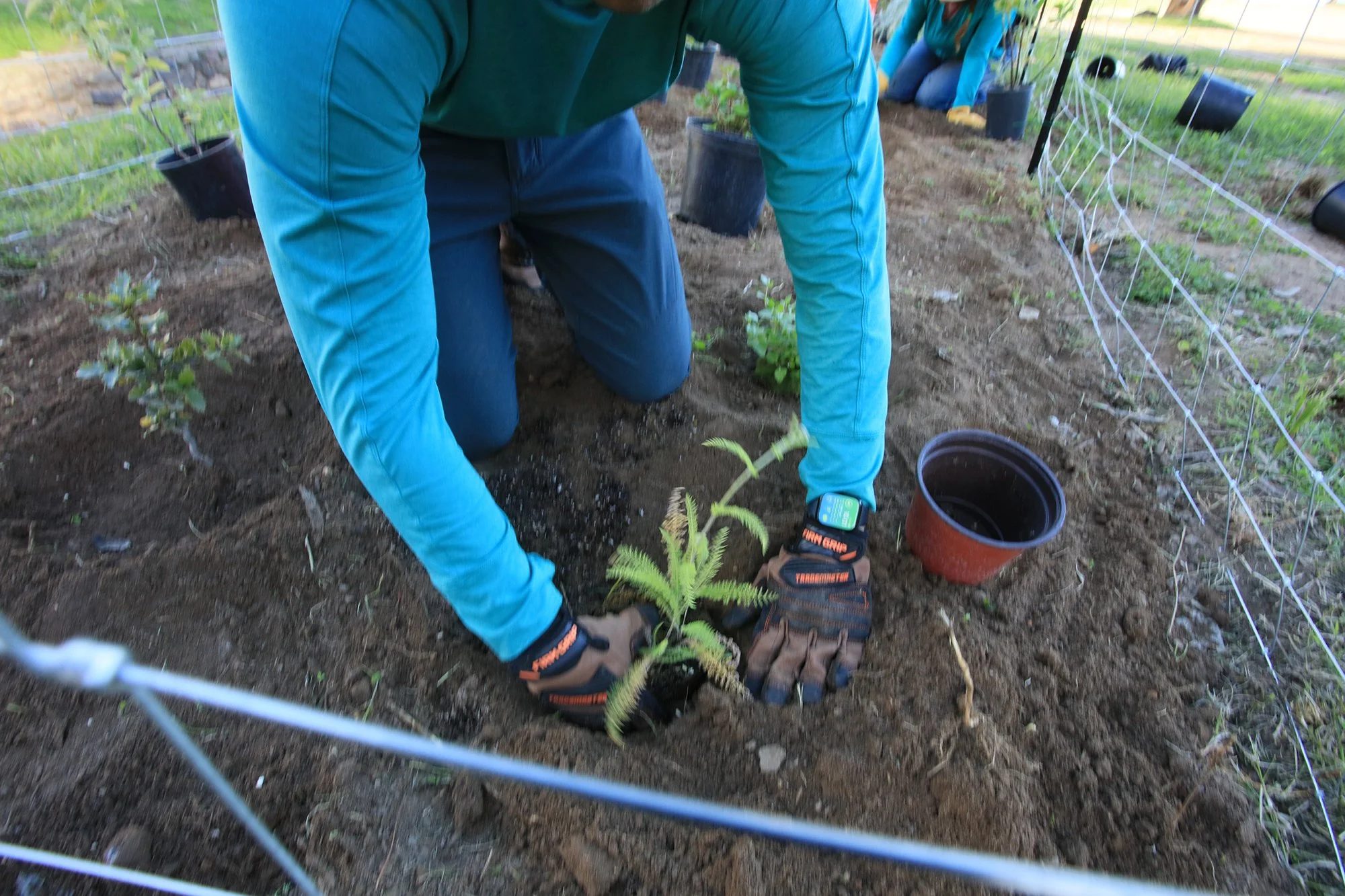
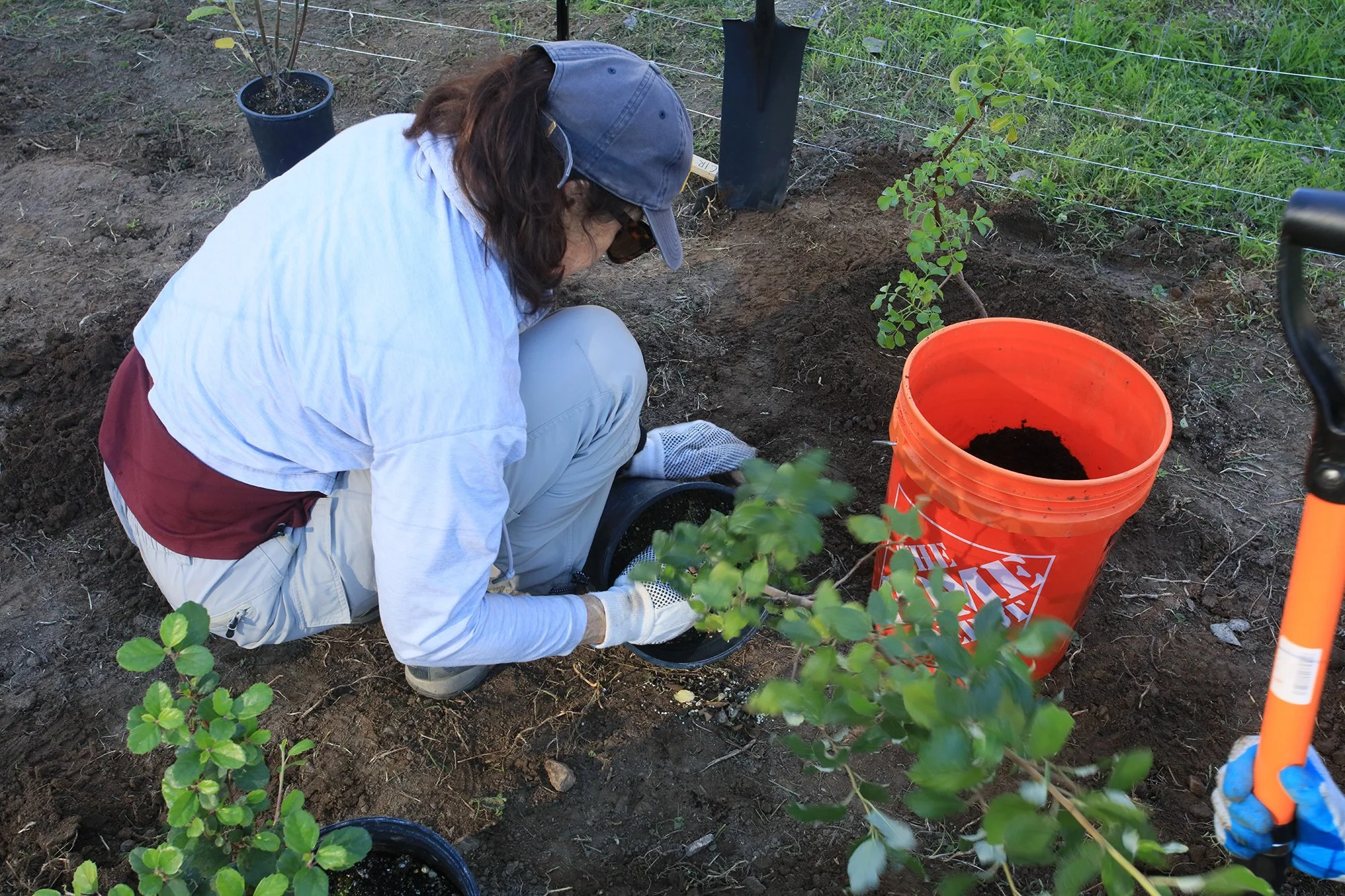
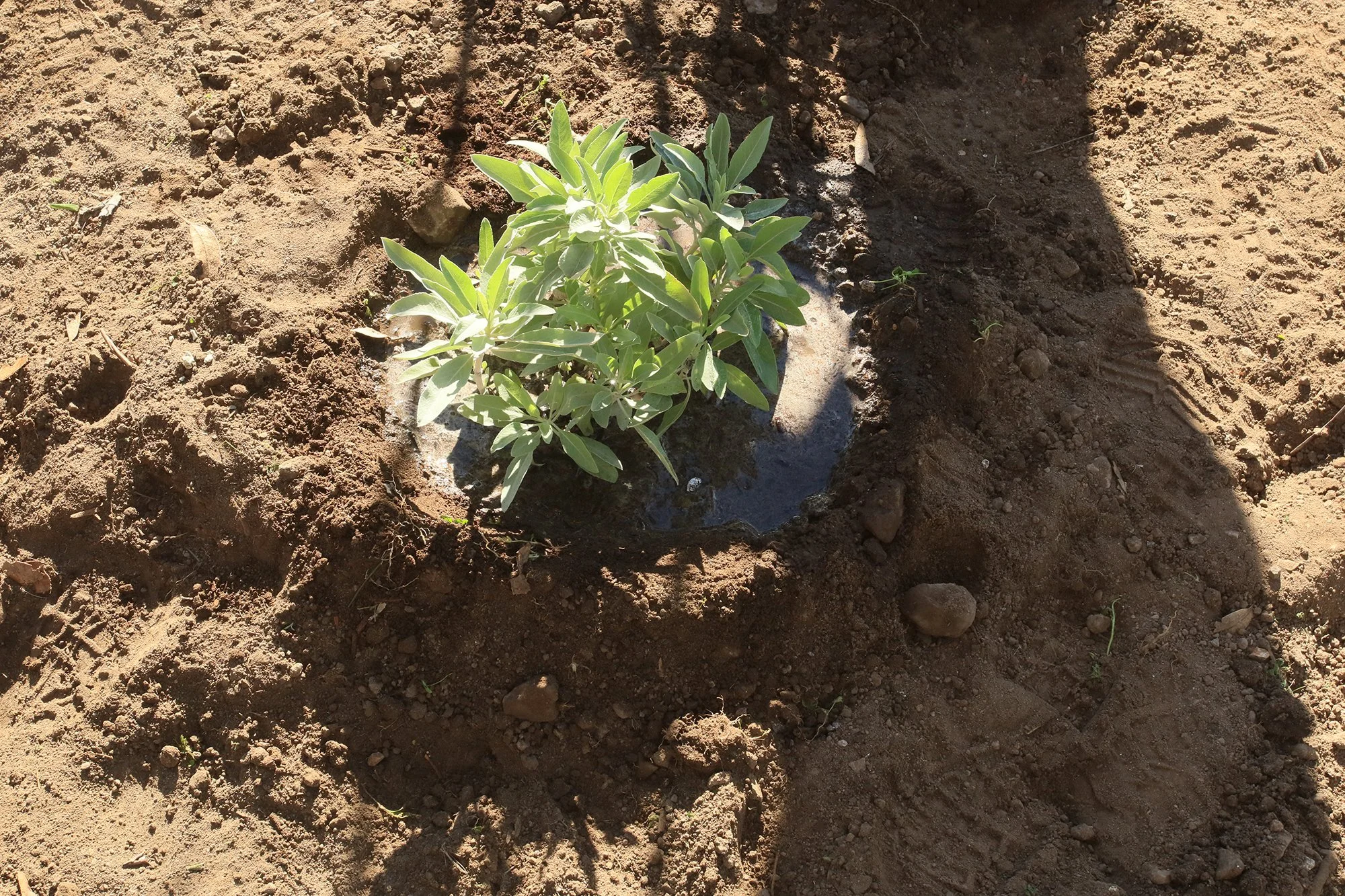
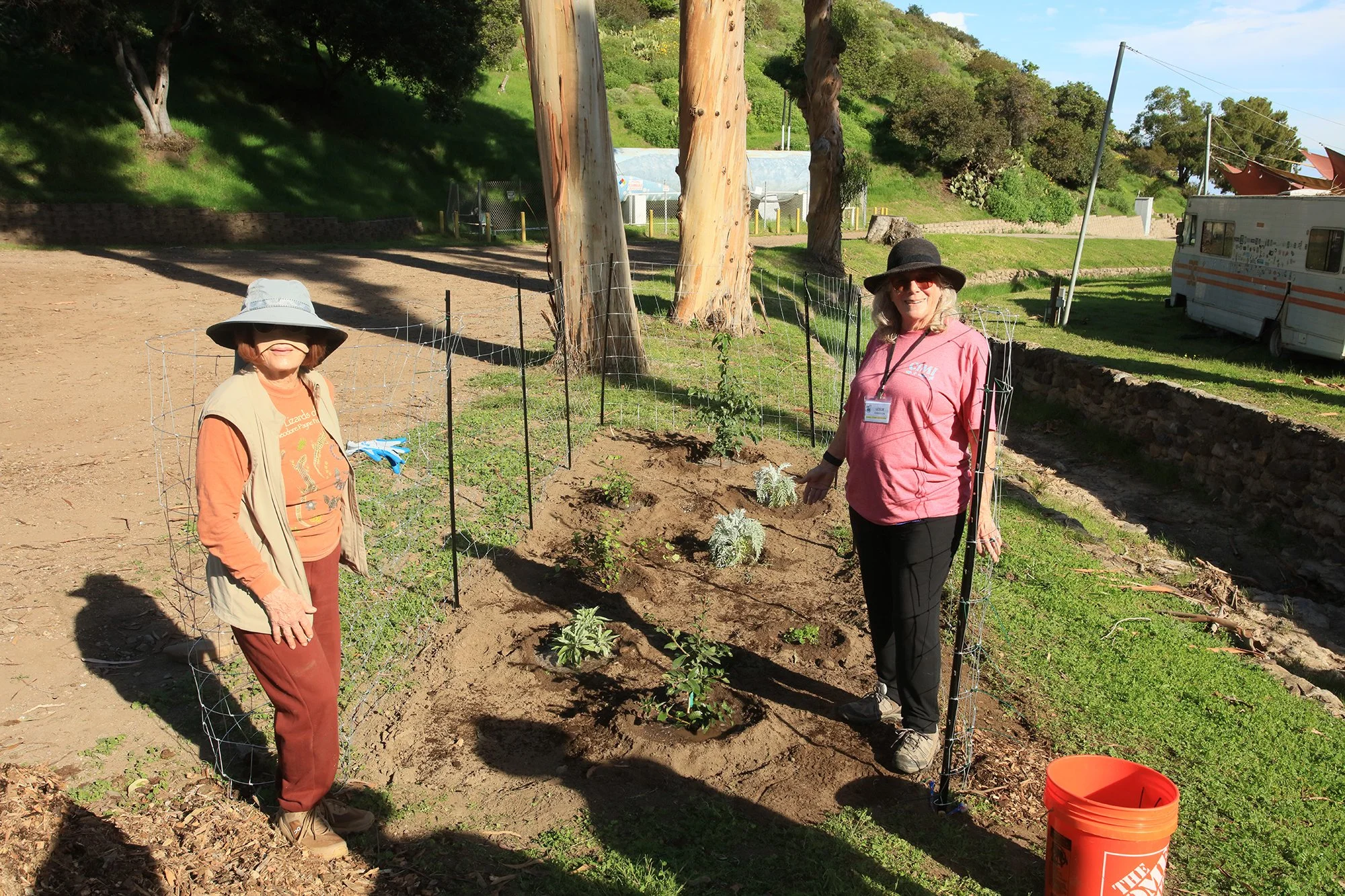
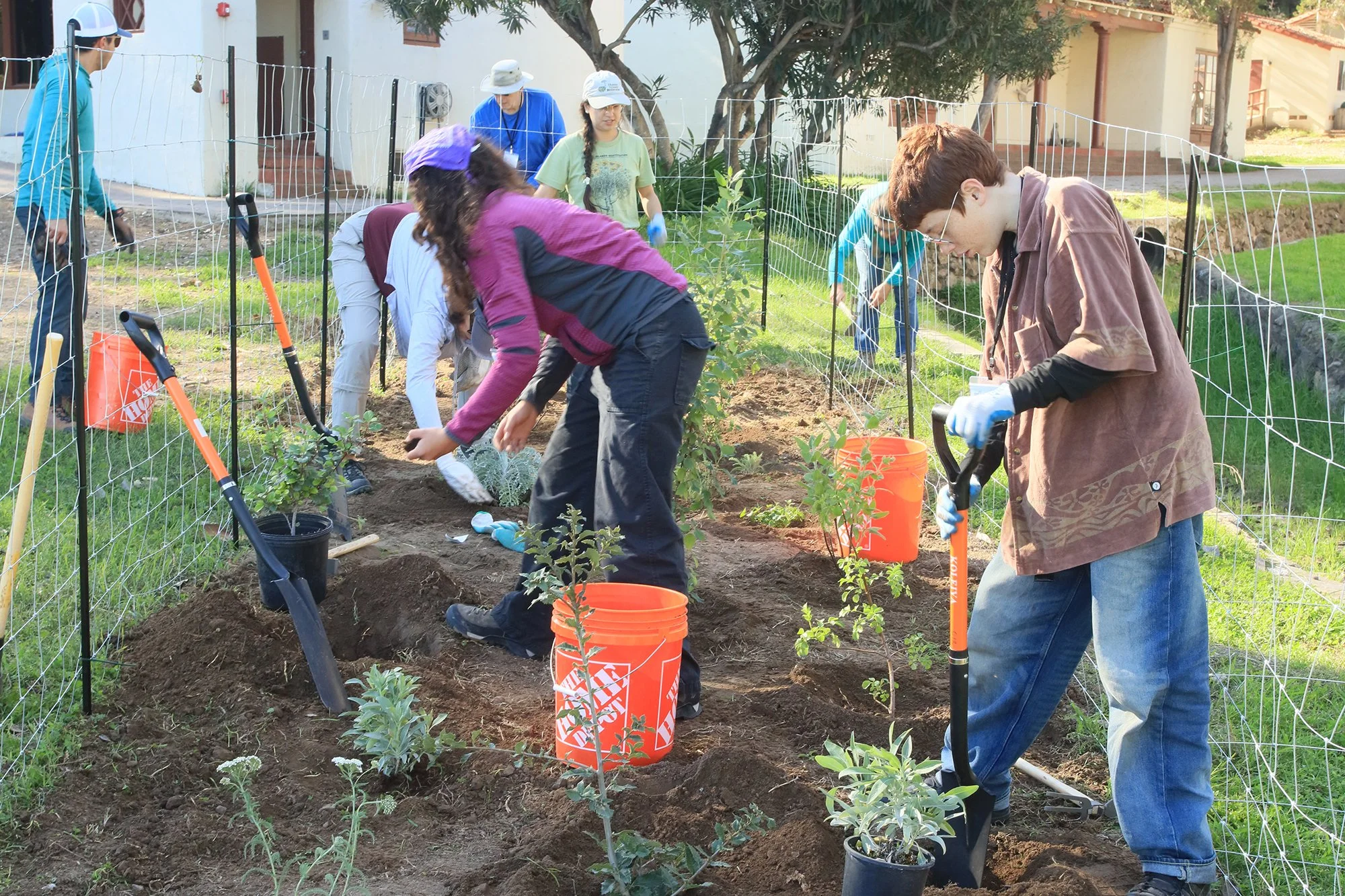
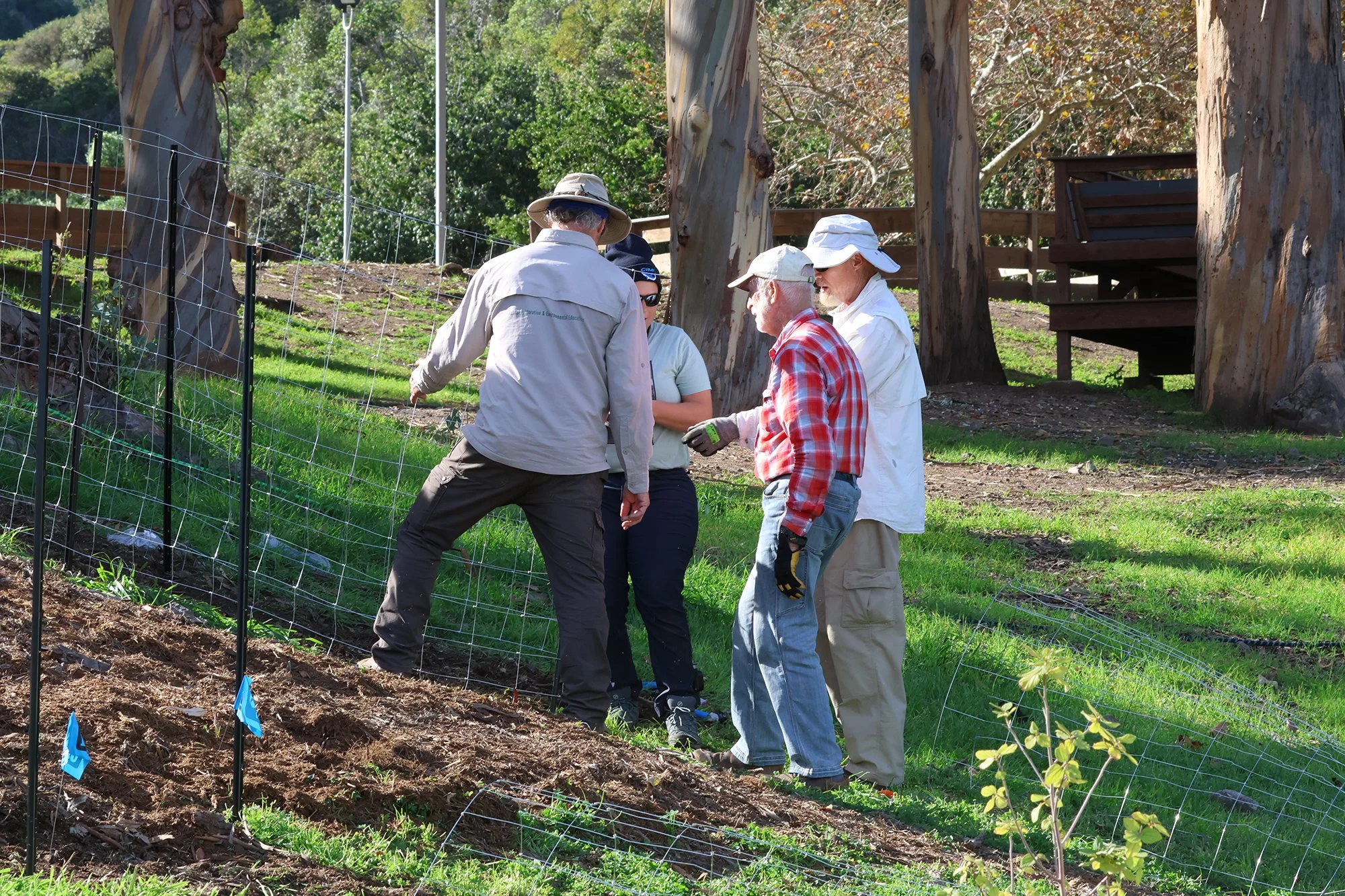
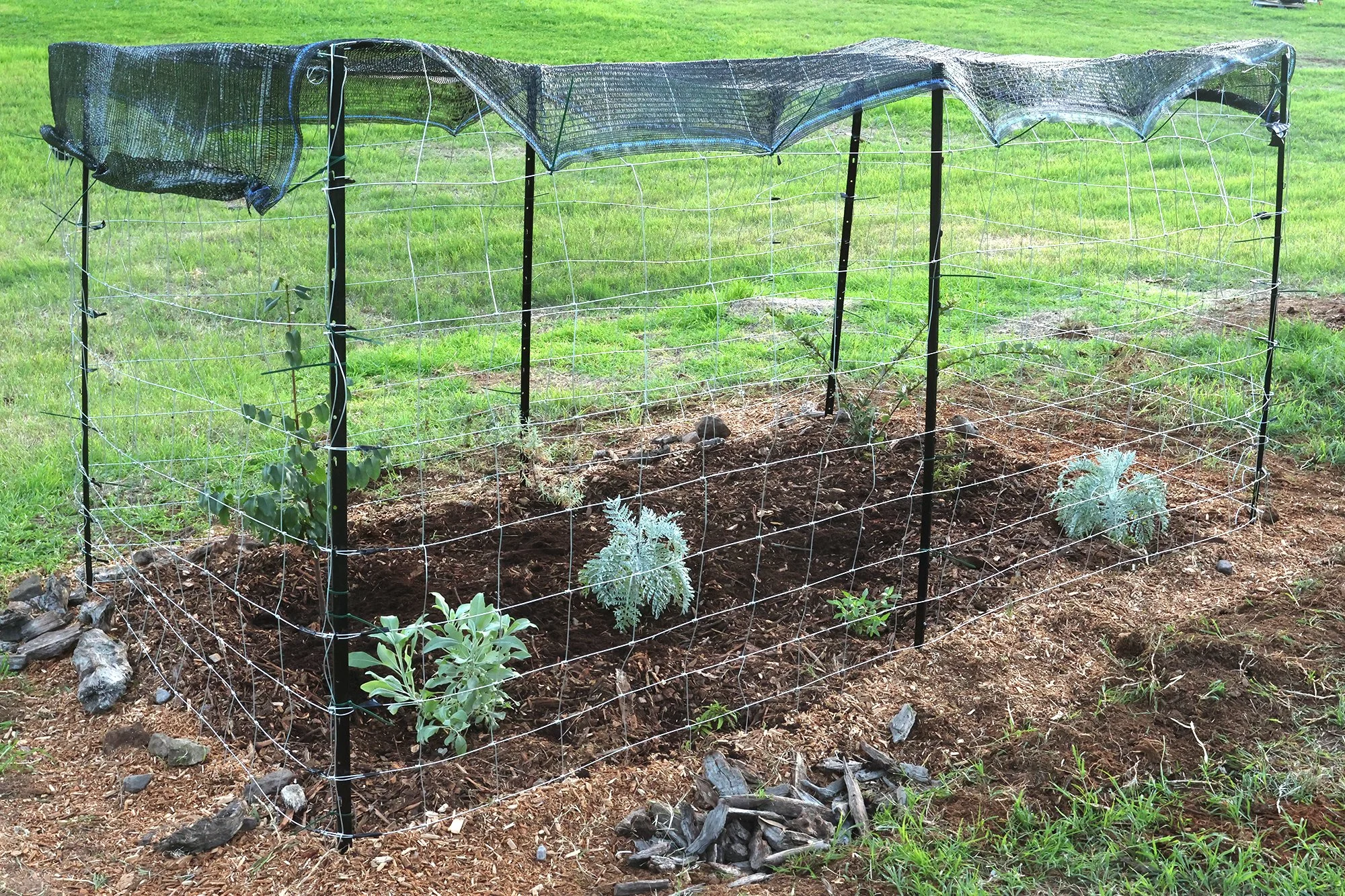
Thirty volunteers from all walks of life joined five Channel Islands Restoration staff members for an immersive restoration experience. Participants ranged in age from 12 to over 70 and traveled from as far away as Erie, Pennsylvania. Together, the group planted seven restoration areas, installing native species such as Catalina Silver Lace, Toyon, and Catalina Currant—plants essential to rebuilding healthy island ecosystems.
The experience balanced hard work with discovery. Volunteers spent half the day restoring habitat and the other half exploring the marine environment that defines CIMI. Snorkeling, kayaking, hiking, and hands-on learning in the fish, shark, and invertebrate labs deepened connections between land and sea.
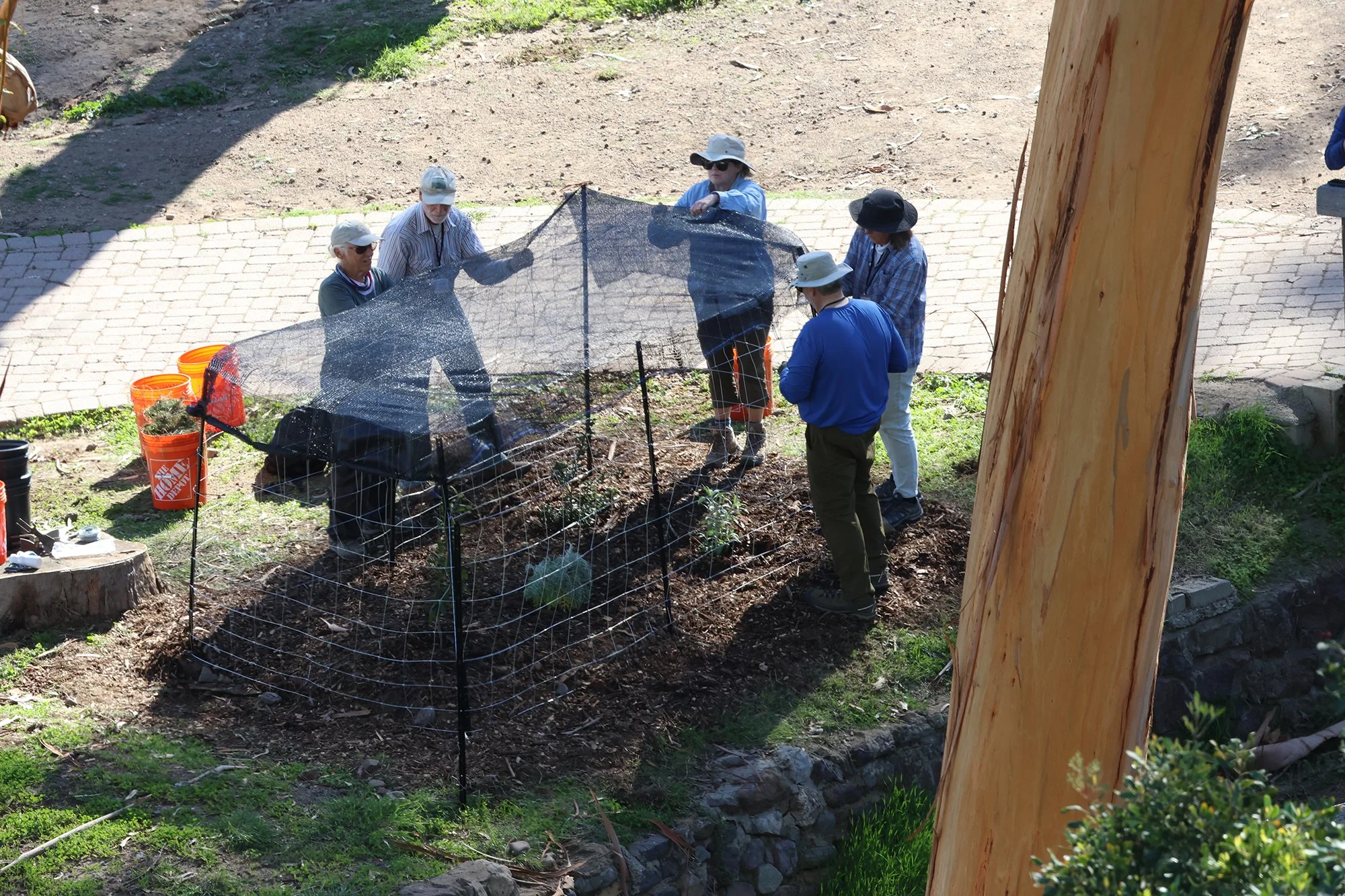
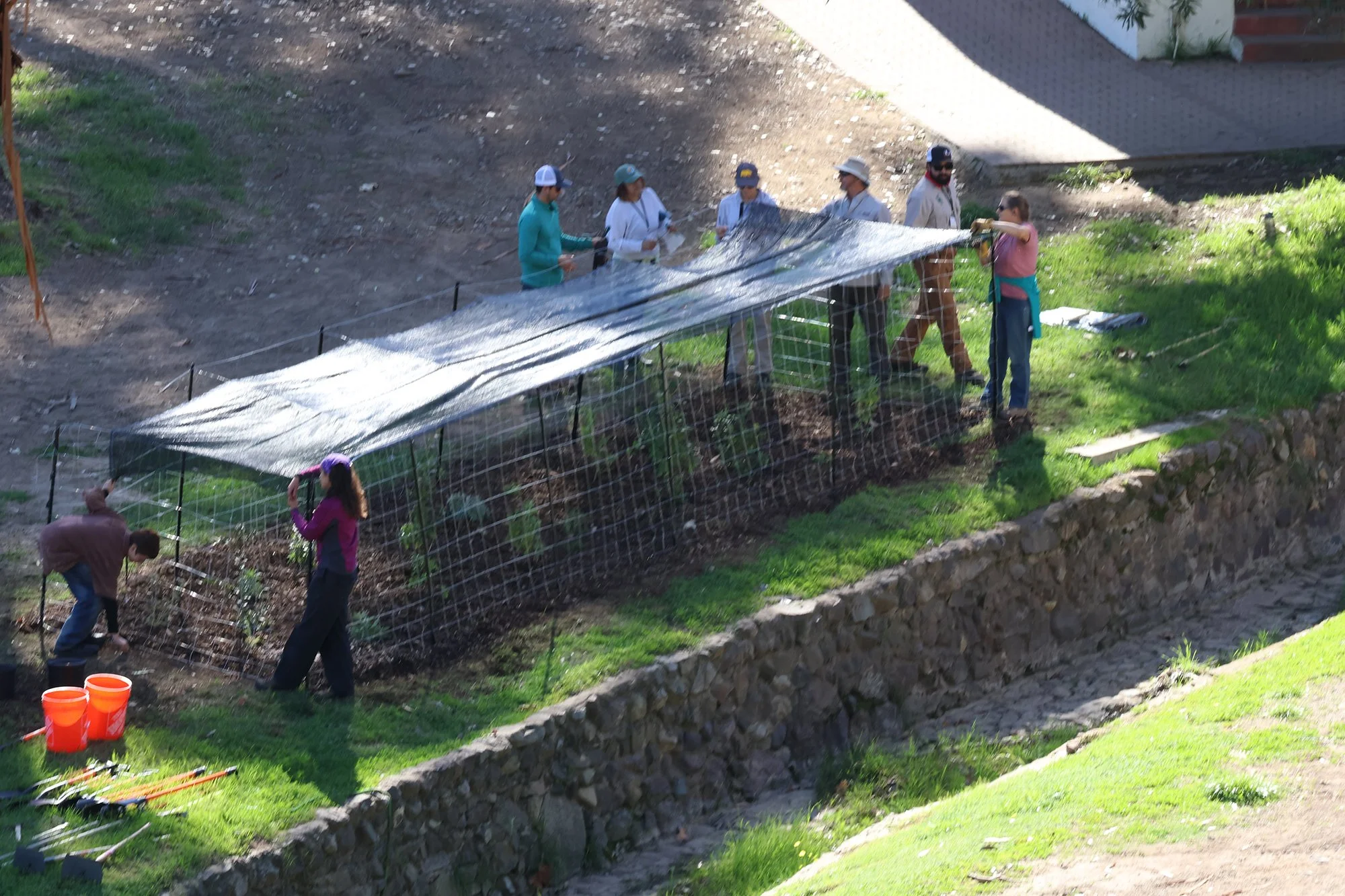
Volunteers prepare the planting sites by clearing invasive plants and grasses
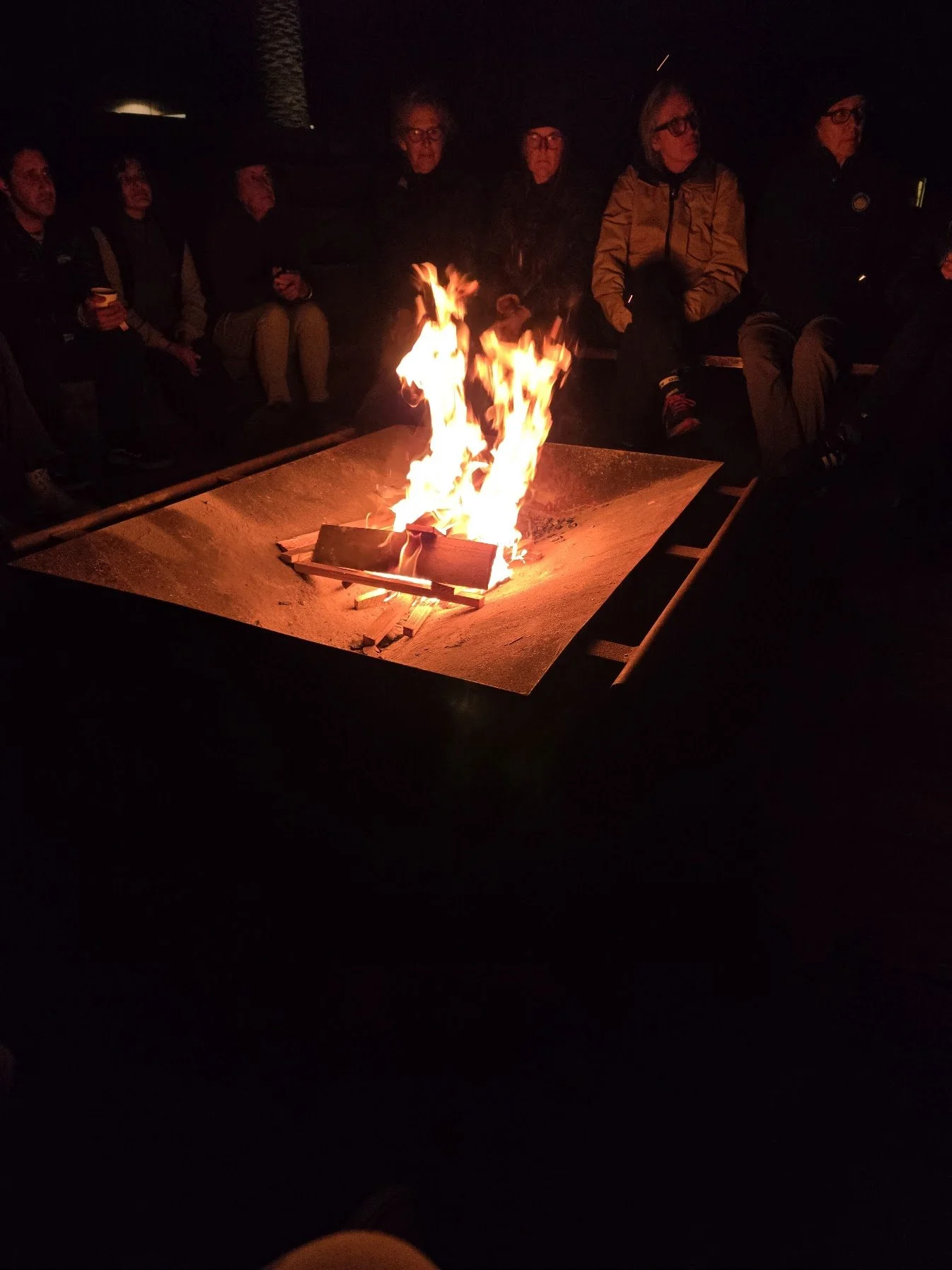
Evenings brought reflection and community. S’mores were roasted on the beach as participants learned about nocturnal island creatures. One night concluded with a screening of Blueback, a visually stunning Australian film about a young girl’s bond with a grouper, carrying a powerful message about ocean conservation.
On Monday afternoon, the group explored Avalon. Some climbed to the Wrigley Memorial and Botanical Garden, others ventured into the island’s backcountry, while a few opted for a more relaxed experience at Luau Larry’s—each activity offering its own view of Catalina’s unique character.
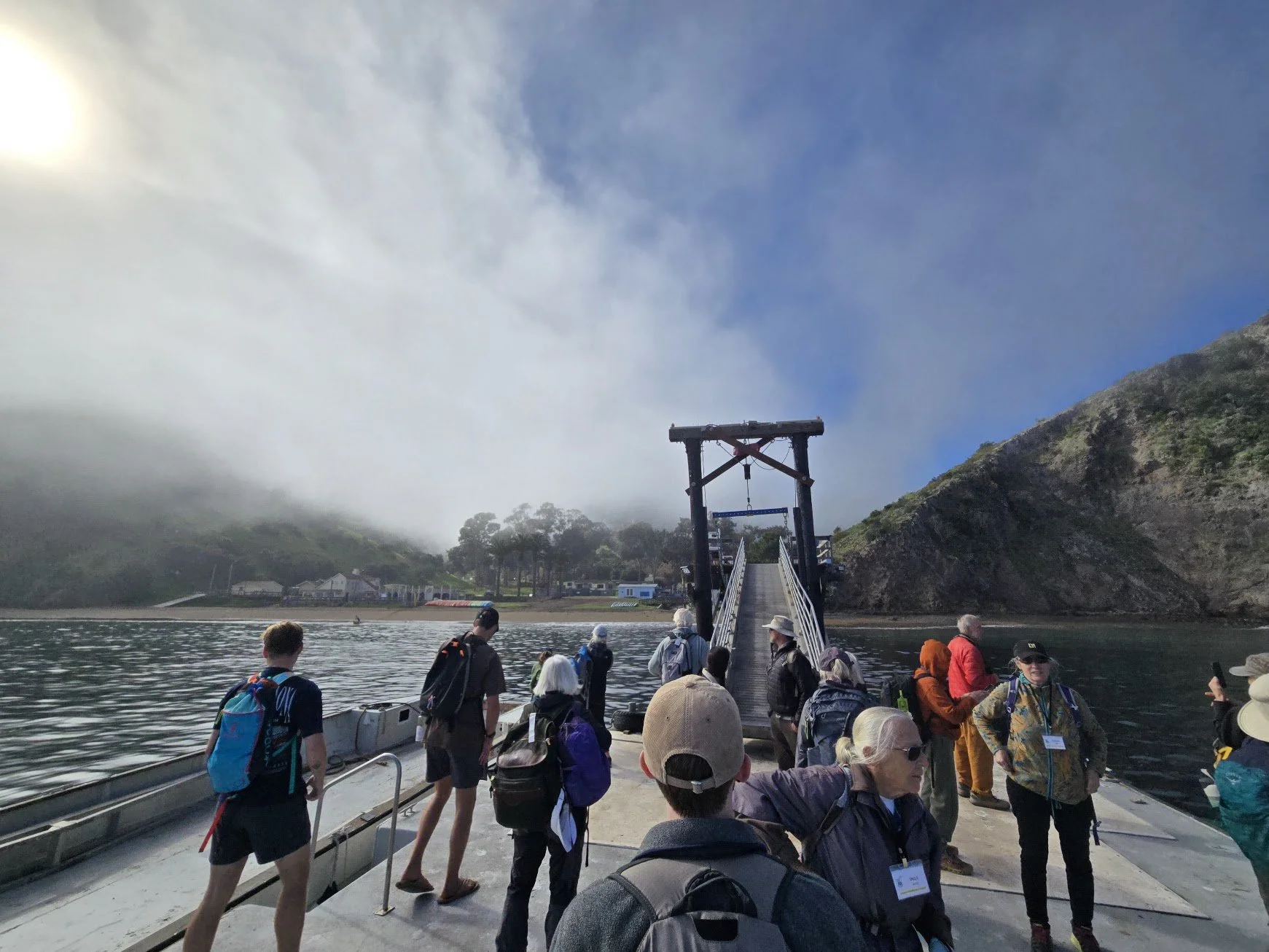
The work is just beginning. Organizers hope to arrange future day trips back to Toyon Bay—just 2.5 miles by boat from Avalon—to care for the newly planted natives and ensure their long-term success.
From elite boarding school to wartime training ground, and now a center for environmental education and restoration, Toyon Bay continues to evolve. Through native plant restoration, CIMI and its partners are honoring the land’s past while investing in a healthier, more resilient future for Catalina Island.
CIR Native Plant Nursery
Winter 2025-2026 Nursery Update
By Doug Morgan, Operations Manager
This was the condition of the nursery when we moved in.
You can often find me in my “remote office.” It sits about halfway back in the Nursery, under the shade of the Passion Fruit, out of sight from any passersby. Maybe it’s all the oxygen the thousands of plants are releasing, maybe it’s solitude, but I find it to be my most productive workspace, and still very soothing. Birds fly through, butterflies visit the blossoms, and volunteers show up and complete their tasks, often unaware I am hard at work nearby doing the ‘hidden tasks’ that keep the operation running. Bids, budgets, grants, scopes of work, project timelines, reports, and yes, even newsletter articles, have been completed from my remote office at More Ranch.
This is what the nursery looks like now
Looking at the space now with a critical eye, it appears chaotic, unfinished, and in need of improvement. Which is exactly the case, and we expected this. When we took possession last July, we knew we would get very busy at all our other job sites when Nesting Bird Season was over in September, which gave us about 45 working days to get the nursery stabilized and able to sustain our plant inventory, which some readers may remember included nearly 10,000 marsh and dune plants. That job was cancelled by the client and negatively affected our cash flow for the year, so the nursery got hit with a double whammy of no crew to work and not much cash to invest in anything more than bare bones survival of the plants, which were quickly becoming a liability.
We relied heavily on Wyatt’s magic (Wyatt is our nursery manager) and volunteers, and you all showed up, thank you! I love it when a returning volunteer comes in while I’m working. If they see me, they often just wave and get back to their tasks, but sometimes we chat in hushed tones, respecting the reverence of the place, and then quickly get back to our respective projects. As bucolic as the space is, it also seems to drive you to be productive, probably all that extra oxygen, but I often feel the energy of the plants, their sense of purpose, the desire to get back outside, get wild, create habitat, and that nudges me to figure out ways to help them get to be a real plant.
It’s been six months since we moved in, and Nesting Bird Season is ending. We planned to begin infrastructure improvements, then build tables to increase our table space as this year’s seedlings grow in size. We were able to plant our Ethno-botanical nature trail plants at the San Marcos Foothills and have been selling most of our marsh and dune plants, the last 6500 leave in a couple of weeks, and by the end of February, we will have table space for 5,000-10,000 plants for next fall. But we need space for 30,000.
As of February 1, 2026, we have a partnership with Santa Barbara Botanic Garden to grow native plants for their retail sales, and they have a mission to greatly increase their market using some different business models that could exponentially increase their sales. All that has been limiting their goal of vastly increasing the amount of local native plants available is producers. We showed up at the right time.
Monarch caterpillars (Danaus plexippus) on California Milkweed (Asclepias californica) in the CIR Nursery
All this year, we will be hosting regular volunteer events. This weekend, we will be clearing out the final ¼ of the nursery space and laying ground cloth to be ready when the plants need us to be. We will soon be building more tables and shelves, running irrigation, and of course sowing seeds and tending plants. We have 7 months until the end of Nesting Bird Season, and just as much work to do as we have done over the last six months, with the addition of thousands of plants to the workload. We are still seeking contributions of lumber ($300 sponsors a table), pallets and old lumber, cash, tools, irrigation supplies, and any yard and garden supplies, including outdoor furniture (my office is a curb-scored patio table and plastic stacking chair, but location, location, location!) We are going to need all the help we can get to bridge the gap between now and when the crop goes to market, and as you can see, there are tasks for every age and ability, and of course, the opportunity to work alongside our knowledgeable crew, or maybe just me lurking in the Passion Fruit.
Ernestine Ygnacio-De Soto, Chumash Elder, Passes Away at 87
By Ken Owen, CIR’s Executive Director
Ernestine Ygnacio-De Soto speaking to San Marcos Foothills Docents with Marianne Para
Ernestine Ygnacio-De Soto was a friend and partner of Channel Islands Restoration, and her wry humor, wit, and many contributions to Chumash culture will be greatly missed. She passed away on January 29. I met Ernestine only a few years ago when she served as the spiritual advisor for the campaign to save the West Mesa of the San Marcos Foothills from development, but we quickly hit it off. The daughter of Mary Yee, the last person to speak Chumash as her native language, Ernestine was a living connection to her culture, including knowing John P. Harrington, who famously documented Native American society, including that of the Chumash.
Born in 1938 and raised in Santa Barbara, Ernestine dedicated her life to preserving Chumash history and culture. In 2010, she co-created the documentary "6 Generations: A Chumash Family's History" with anthropologist John Johnson, which won multiple awards. She wrote and illustrated the children's book "The Sugar Bear Story" based on Chumash traditions, and she performed in the world premiere of the symphony "Wisdom of the Water, Earth, Sky" at the Granada Theatre. Ernestine worked as a mental health nurse for 50 years, and she served as the first Chumash Grand Marshal of the Santa Barbara Fiesta Parade in 2023.
Ernestine Ygnacio-De Soto with Ken Owen reading Chumash plant names
I worked with Ernestine on several CIR-related projects at the San Marcos Foothills. After the successful campaign to save the West Mesa from Development, she met with me on site and shared her vision for a garden that would honor Chumash heritage, which was an important goal of the campaign. This immediately stuck me as a wonderful idea, and CIR has been planning it and constructing it ever since. The garden will soon have signs linking visitors to the Chumash names of each plant and providing details on how the plants were used for food, fiber, and medicine. I worked with her and her nephew James Yee, who is pursuing his PhD in Chumash Linguistics at UC Santa Barbara, on recording the pronunciations of the names of the plants in the local Chumash language. Ernestine also met with volunteer docents at the San Marcos Foothills to talk about her life and that of the Chumash people, past and present.
I also enjoyed seeing Ernestine at the Chumash language classes organized by her nephew. I often sat near her, which is how we really got to know each other. At times, she reminded me of my grandmother, especially after I brought her tarts that I made at home, and she then persistently wondered why I hadn’t already made someone a good husband! Ernestine was a consummate matchmaker, and her attention to my marital status was touching.
Ernestine Ygnacio-De Soto and the Para Family speaking to San Marcos Foothills Docents